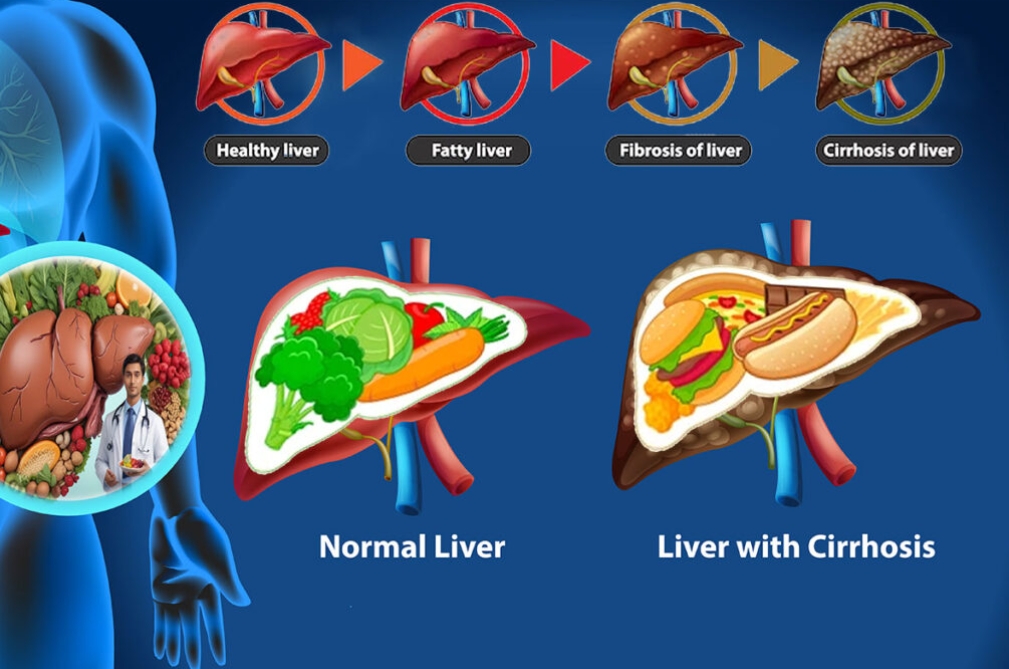
Fatty liver disease has become increasingly common due to sedentary lifestyles, processed food habits, stress, and irregular eating routines. Whether it is non-alcoholic fatty liver disease (NAFLD) or alcohol-related fatty liver, the condition begins when excess fat accumulates in the liver cells.
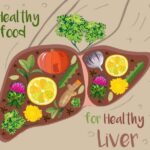
The good news is that in most early cases, fatty liver is reversible with proper diet and lifestyle changes. Among all treatments, fatty liver diet planplays the most powerful role in healing and restoring liver function.
In this blog, you will learn about the best foods to eat, what to avoid, and how to structure a simple, sustainable fatty liver diet that works.
Why Diet Matters the Most in Fatty Liver
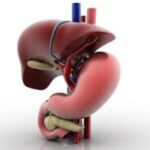
Your liver is the body’s detox powerhouse. It filters toxins, metabolizes fats, and manages digestive enzymes. When fat builds up in the liver, it disrupts these functions and triggers inflammation. A healthy diet helps to:
- Reduce fat accumulation
- Improve insulin sensitivity
- Control body weight
- Lower inflammation
- Support natural detoxification
Unlike medications, which only provide partial help, food works at the root level. That’s why experts recommend following a well-planned fatty liver diet for long-term healing.
Foods to Include in a Fatty Liver Diet Plan
1. High-Fiber Foods
Fiber helps reduce fat absorption and improves digestion. Include:
- Whole grains like oats, quinoa, barley, and brown rice
- Vegetables such as spinach, broccoli, carrots, and beetroot
- Fruits like apples, papaya, orange, berries, and guava
Fiber keeps your gut healthy, which directly supports liver detox functions.
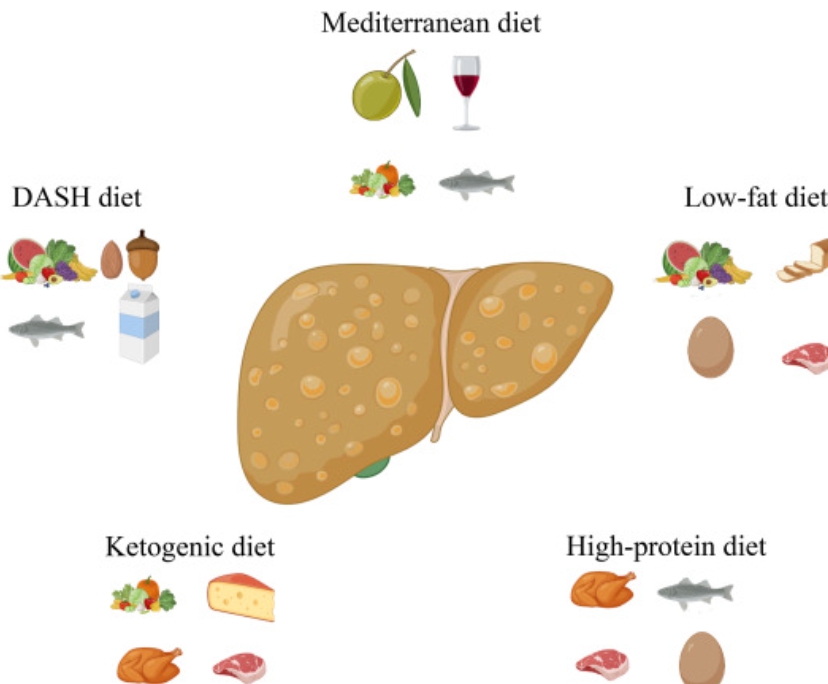
2. Lean Protein
Protein helps repair liver cells and aids weight management. Choose:
- Eggs (especially whites)
- Chicken breast
- Fish like salmon, sardines, and mackerel
- Plant proteins such as lentils, rajma, chana, sprouts, tofu, and paneer
Avoid fried or oily versions—opt for boiled, grilled, or steamed.
Also read: Top 5 Healthy Diet Plans for a Stronger, Fitter You
3. Healthy Fats
Not all fats are bad. Healthy fats help reduce inflammation.
Include:
- Walnuts, almonds, chia seeds, and flaxseeds
- Olive oil, mustard oil, and coconut oil (in moderation)
- Avocado
These fats support heart health and help the liver process fat more efficiently.
4. Liver-Friendly Vegetables
Cruciferous vegetables contain natural detox enzymes.
- Broccoli
- Cauliflower
- Cabbage
- Brussels sprouts
They help flush toxins and reduce liver fat naturally.
5. Antioxidant-Rich Foods
Antioxidants protect liver cells from damage.
Best options:
- Green tea
- Turmeric (curcumin)
- Garlic
- Berries
- Beetroot
These foods reduce oxidative stress and improve liver enzyme levels.
Don’t miss: Top 10 Immunity Booster Drinks to Stay Healthy and Strong
6. Low-GI Fruits
Choose fruits with low glycemic index to maintain stable blood sugar.
Recommended:
- Apple
- Pear
- Orange
- Papaya
- Berries
Avoid high-sugar fruits like mango, banana, grapes, and pineapple if you have insulin resistance.
7. Hydrating Liquids
Stay hydrated to support liver detox. Drink:
- 8–10 glasses of water
- Lemon water
- Coconut water
- Herbal teas
Staying hydrated improves digestion and helps remove toxins effectively.
Foods to Avoid in Fatty Liver
A healing diet is not just about what you eat, but also what you avoid. The following foods worsen liver inflammation:
❌ Refined Carbs
- White rice
- Maida products like white bread, noodles, pizza, pasta
They spike blood sugar and increase fat storage.
❌ Sugary Foods
- Sweets, chocolates, ice cream
- Cold drinks, packaged juices
Sugar directly contributes to liver fat accumulation.
❌ Processed & Fried Foods
- Chips, namkeen, bakery items
- Deep-fried snacks
These foods contain unhealthy trans fats, which are harmful to the liver.
❌ High-Salt Foods
Too much salt leads to water retention and worsens inflammation.
❌ Alcohol
Alcohol is one of the biggest triggers for fatty liver. Avoid it completely for liver recovery.
Sample Fatty Liver Diet Plan (Indian-Friendly)
Morning (7:00 AM)
- Warm lemon water or methi seeds water
- 5–6 soaked almonds + 2 walnuts
Breakfast (8:30 AM)
Healthy choices:
- Oats porridge or vegetable upma
- Moong dal chilla with green chutney
- Vegetable poha with sprouts
Pair with a cup of green tea.
Mid-Morning (11:00 AM)
- Papaya or apple
- Coconut water
Lunch (1:00 PM)
A balanced plate should include:
- 1–2 rotis (multigrain) or 1 bowl brown rice
- Dal (moong, masoor, or chana)
- Grilled/boiled chicken or paneer
- A bowl of salad with cucumber, carrot, and beetroot
Evening Snack (4:00 PM)
- Roasted chana or mixed seeds
- Herbal tea or lemon tea
Dinner (7:30 PM)
Keep dinner light:
- Vegetable soup + 1 roti
OR - Stir-fried veggies + grilled fish/soya/paneer
Before Bed (9:30 PM)
- Turmeric milk or chamomile tea (optional)
Lifestyle Tips for Faster Recovery
- Aim for 30 minutes of brisk walking daily
- Maintain healthy body weight
- Avoid late-night eating
- Reduce stress through yoga or meditation
- Sleep 7–8 hours daily
Consistency is the key. Within a few weeks of following this diet, many people notice improved digestion, energy levels, and reduced liver discomfort.
Final Thoughts
A fatty liver diet plan is not a temporary restriction—it’s a long-term shift toward healthier habits. By eating nutrient-rich foods, reducing sugar and unhealthy fats, staying active, and hydrating well, you can reverse fatty liver naturally. Your liver has an amazing capability to heal itself when given the right support. Start small, be consistent, and let healthy food be your daily medicine.
Also read: The Fatty Liver Diet