
Does Sweating Burn Calories
Sweating is one of the most natural things our bodies do. Whether you’re exercising, walking in the sun, or feeling nervous, sweat droplets begin to appear almost instantly. Many people associate sweating with weight loss and assume that the more they sweat, the more calories they burn. But is sweating truly a sign of burning fat? Or is it just your body’s way of cooling itself down? Let’s break down the science and clear the confusion.
Table of Contents
What Is Sweat and Why Do We Produce It?
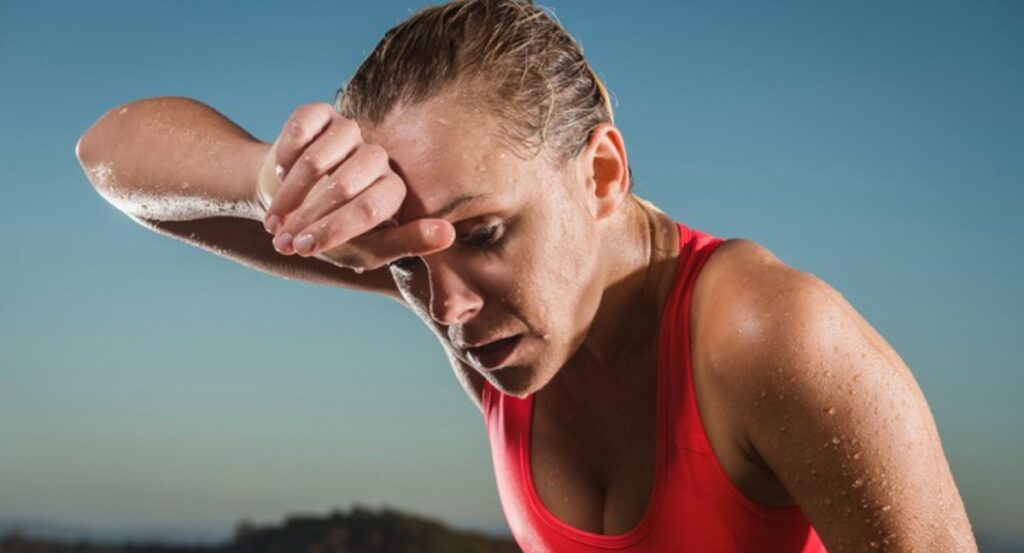
Sweat is mostly made up of water along with small amounts of salt, minerals, and waste products. Its primary purpose is temperature regulation. When your body starts overheating—whether due to physical activity or hot weather—it releases sweat from sweat glands. As the sweat evaporates from your skin, it cools you down.
Sweating itself is not the process that burns calories. Instead, it’s a response to the process that does burn calories—like exercise. Understanding this difference is crucial to knowing how sweating relates to fat loss.
Does Sweating Directly Burn Calories?
The honest answer: No, sweating by itself does not burn calories.
Sweating is only a cooling mechanism. You can sit in a sauna for 20 minutes and sweat heavily, but you won’t burn nearly as many calories as you would during a light workout. The calories burned during sauna sessions are minimal and mostly due to an increased heart rate, not the act of sweating.
The idea that “more sweat = more calories burned” is a misconception. People often sweat differently based on genetics, environment, and hydration levels. You may even sweat more on a humid day without doing anything physically demanding.
Then Why Do We Lose Weight After Sweating?
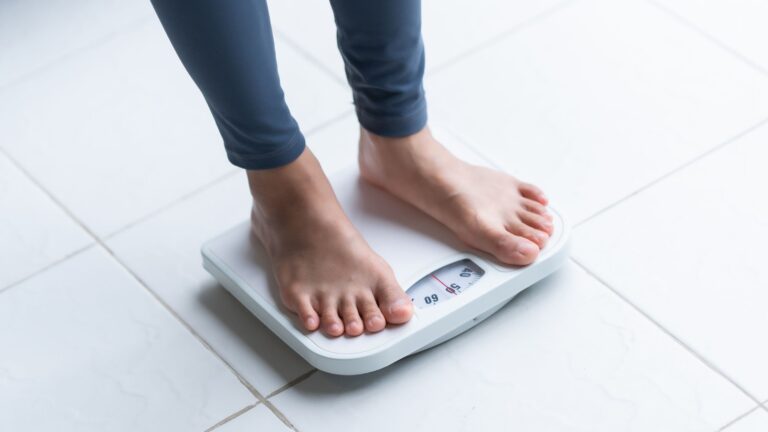
After an intense workout, you may notice a drop on the scale. But this is water weight, not fat loss. When you sweat, your body releases fluid, which reduces your weight temporarily. Once you drink water again and rehydrate, that weight comes back.
This is why athletes, especially boxers and wrestlers, often sweat intentionally before weigh-ins to drop water weight quickly. However, it is not a healthy or sustainable method for long-term weight loss.
Also Read: Top 5 Best Way to Reduce the Weight Loss (Expert Review)
What Actually Burns Calories?
Calories are burned through physical activity, including:
- Cardio exercises like running, cycling, or swimming
- Strength training, which increases muscle and boosts metabolism
- Daily activities such as walking, cleaning, or climbing stairs
- Even basic body functions like breathing and digestion
When you move your body, your muscles work harder, your heart pumps faster, and your metabolism rises. These processes are what consume energy and burn calories—not the sweat that follows.
Sweating might seem like proof of effort, but it’s not the most reliable measurement. You can burn a significant number of calories even in cold weather, without sweating much at all.
Why Do Some People Sweat More Than Others?
Sweating is highly individual. The amount you sweat depends on multiple factors:
1. Genetics
Some people naturally sweat more due to more active sweat glands.
2. Body Size
People with higher body weight often sweat more because their bodies produce more heat.
3. Fitness Level
Fit people may actually sweat faster, not because they work harder, but because their bodies are better at cooling down.
4. Temperature & Humidity
Hot and humid conditions cause more sweating even with minimal activity.
5. Hydration
When you’re well-hydrated, your body sweats more efficiently.
This means that comparing your sweat levels to someone else’s is meaningless when measuring calories burned.
Does Sweating Have Any Benefits?
Absolutely! While sweating doesn’t directly burn calories, it does offer several health benefits:
1. Supports Body Temperature Regulation
This prevents heatstroke and helps you exercise safely.
2. May Help Remove Some Toxins
Though not a major detox method, sweating releases small amounts of waste products.
3. Boosts Skin Health
Sweat opens pores and can help flush out impurities, reducing acne.
4. Indicates That You’re Working Hard
Sweat can be an indirect sign of physical effort, though not a reliable calorie measure.
5. Improves Circulation
Activities that make you sweat—like exercise—improve blood flow and heart health.
So, while sweat itself is not burning fat, the activities that cause sweating are beneficial for overall fitness.
Does Sweating Help With Fat Loss?
Fat loss occurs when your body uses stored fat for energy. This happens when you create a calorie deficit, either through workout or diet. You can sweat without losing fat, and you can lose fat without sweating.
For example, a brisk walk on a cool evening may not make you sweat, but it can burn a significant number of calories over time. Consistency matters far more than how drenched your workout clothes are.
Also Read: Oats for Weight Loss: top 5 benefits of oats
How to Burn More Calories Without Focusing on Sweat
To burn calories and lose fat effectively:
- Do regular cardio exercises like jogging or skipping
- Lift weights to build muscle and increase metabolic rate
- Stay consistent with your workouts
- Follow a balanced, calorie-controlled diet
- Stay hydrated to perform better during exercise
- Get enough rest to recover and maintain metabolism
These strategies lead to sustainable fat loss—not sweating.
Conclusion
Sweating is often mistaken as a sign of burning calories, but the truth is clear: sweating does not directly cause fat loss or calorie burn. It’s simply your body’s cooling system at work. Effective calorie burning comes from physical activity, healthy eating, and consistency—not from how much sweat drips down your forehead.
So next time you finish a workout drenched in sweat, feel proud of your effort—but remember, it’s the movement and energy you put in that truly helps you burn calories, not the sweat itself.