Corn health benefits
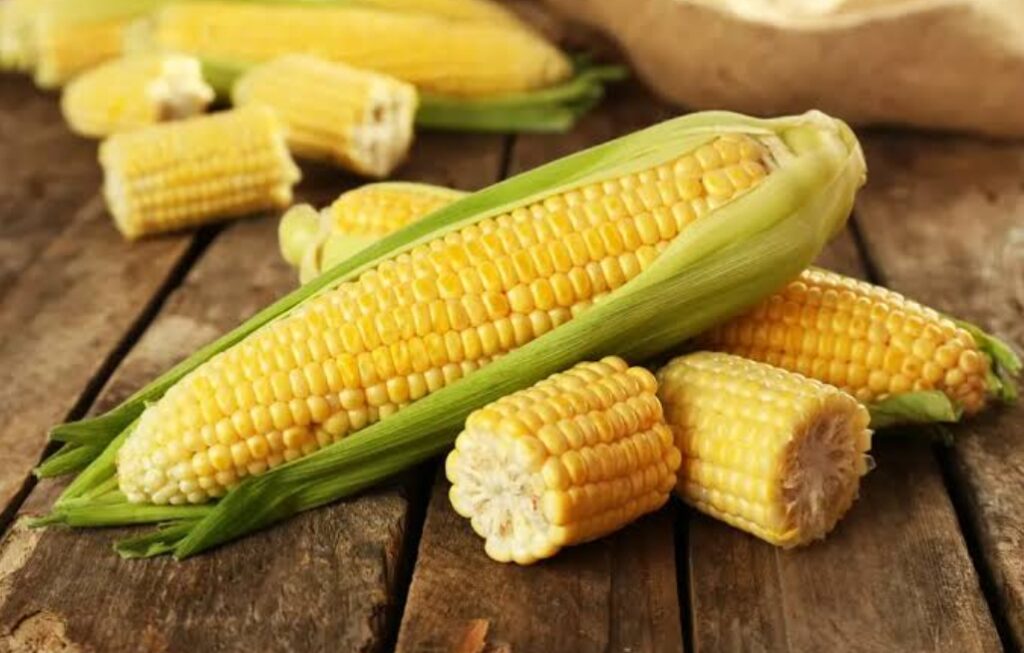
Corn, also known as maize, is one of the most widely consumed cereal grains in the world. It is a staple food in many countries and plays an important role in human nutrition, animal feed, and industrial products. Corn is valued not only for its versatility and taste but also for its impressive nutritional profile and health benefits.
From boosting energy levels to supporting digestion and eye health, corn offers multiple advantages when included in a balanced diet.
Table of Contents
Nutritional Profile of Corn
Corn is rich in carbohydrates, making it an excellent energy-giving food. It also contains moderate amounts of protein, dietary fibre, vitamins, and essential minerals. Yellow corn is particularly high in antioxidants such as carotenoids, including lutein and zeaxanthin. Corn is naturally gluten-free, making it suitable for people with gluten intolerance or celiac disease.
Key nutrients found in corn include:
- Carbohydrates
- Dietary fiber
- Vitamin B1 (Thiamine)
- Vitamin B5 (Pantothenic acid)
- Folate
- Magnesium
- Phosphorus
- Potassium
- Antioxidants
Health Benefits of Corn
1. Provides Instant Energy
Corn is rich in complex carbohydrates, which serve as a primary energy source for the body. It helps maintain stamina and is especially beneficial for people engaged in physical labor, sports, or farming activities.
2. Supports Digestive Health
The dietary fibre present in corn helps promote healthy digestion. Fibre adds bulk to stool, prevents constipation, and supports regular bowel movements. It also nourishes beneficial gut bacteria, improving overall gut health.
3. Promotes Heart Health
Corn contains fibre and antioxidants that help reduce bad cholesterol (LDL) levels in the body. Potassium in corn helps regulate blood pressure by balancing sodium levels, which lowers the risk of heart disease and stroke.
4. Improves Eye Health
Yellow corn is a good source of lutein and zeaxanthin, two powerful antioxidants known to protect eye health. These compounds reduce the risk of age-related macular degeneration and cataracts by protecting the eyes from harmful blue light.
5. Helps in Weight Management
Corn is filling due to its fibre content and complex carbohydrates. When consumed in moderate portions without excess butter or salt, it can help control hunger and prevent overeating, supporting healthy weight management.
Also Read:Top 8 Healthy Snacks for Weight Loss
6. Supports Healthy Pregnancy
Corn contains folate, an essential nutrient for pregnant women. Folate helps prevent neural tube defects in developing babies and supports proper fetal growth.
7. Boosts Skin and Hair Health
Corn is rich in antioxidants and vitamins that help protect the skin from damage caused by free radicals. Corn oil, derived from maize, contains vitamin E, which supports healthy skin and hair by improving moisture retention.
8. Strengthens Bones
Corn provides essential minerals such as phosphorus, magnesium, and calcium, which are important for maintaining strong bones and teeth. Regular consumption supports bone density, especially in growing children and elderly individuals.
9. Regulates Blood Sugar Levels
The fiber content in corn helps slow the absorption of sugar into the bloodstream. This helps prevent sudden spikes in blood sugar levels, making corn beneficial when consumed in moderation by people with diabetes.
Also Read: How to Control Sugar Level: 9 Effective Tips for Better Health
10. Supports Brain Function
Corn contains thiamine (vitamin B1), which plays a key role in brain development and nerve function. It supports memory, concentration, and overall cognitive health.
Uses of Corn in Daily Diet
Corn can be consumed in many forms, making it easy to include in daily meals:
- Boiled or roasted corn cobs
- Corn flour (makki atta)
- Cornmeal and porridge
- Popcorn (air-popped)
- Corn soup and salads
- Corn oil for cooking
Choosing minimally processed corn products ensures maximum nutritional benefits.
Precautions and Moderation
While corn is healthy, excessive consumption—especially in processed forms like fried corn snacks, corn syrup, or sweetened products—can contribute to weight gain and blood sugar imbalance. Always prefer whole or boiled corn over heavily processed options.
Frequently Asked Questions (FAQ)
Q1. Is corn healthy for daily consumption?
Yes, corn is healthy when eaten in moderation as part of a balanced diet. Whole corn provides energy, fiber, vitamins, and minerals.
Q2. Is corn good for diabetics?
Corn can be consumed by diabetics in controlled portions. Its fiber helps regulate blood sugar, but portion size and preparation method are important.
Q3. Does corn help in weight loss?
Corn can support weight management due to its fiber and satiety value, but it should not be consumed with excess butter, cheese, or sugar.
Q4. Is corn gluten-free?
Yes, corn is naturally gluten-free and safe for people with gluten intolerance or celiac disease.
Q5. Which form of corn is the healthiest?
Boiled corn, roasted corn, and air-popped popcorn are among the healthiest forms as they retain most nutrients without added fats.
Q6. Can children eat corn regularly?
Yes, corn is nutritious for children and provides energy, fiber, and essential nutrients for growth and development.
Also Read: Health Benefits of Corn