Squash Health Benefits
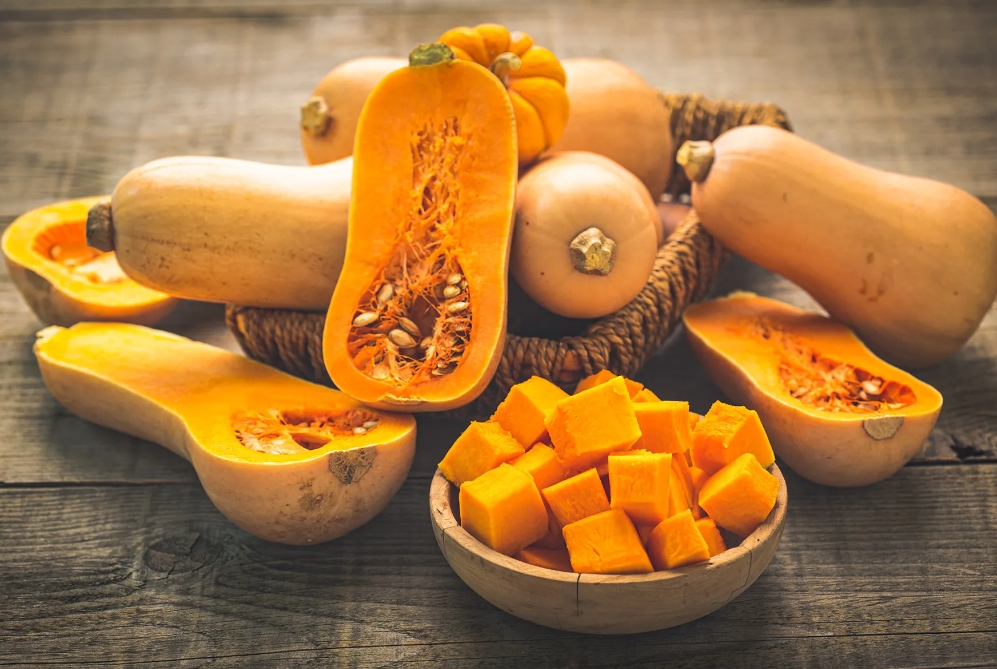
Squash is a nutrient-rich vegetable that comes in many varieties, including summer squash (such as zucchini and yellow squash) and winter squash (like butternut, acorn, and pumpkin). Loved for its mild flavor, versatility, and impressive nutritional profile, squash is a staple in many cuisines around the world.
Whether roasted, sautéed, steamed, or blended into soups, squash offers numerous health benefits that support overall well-being.
This blog explores the key health benefits of squash and why it deserves a regular place in your diet.
Table of Contents
Rich Source of Essential Nutrients
Squash is packed with essential vitamins and minerals that help the body function efficiently. It is an excellent source of vitamin A (especially winter squash), which supports eye health, immune function, and skin regeneration. Squash also contains vitamin C, which helps strengthen the immune system and promotes collagen production for healthy skin.
Additionally, squash provides B-complex vitamins such as vitamin B6 and folate, which are important for energy metabolism and brain health. Minerals like potassium, magnesium, and manganese found in squash help maintain healthy muscles, bones, and nerve function.
Supports Eye Health
One of the most notable benefits of squash is its high content of beta-carotene, a powerful antioxidant that the body converts into vitamin A.
Beta-carotene helps protect the eyes from age-related conditions such as macular degeneration and cataracts. Regular consumption of squash can also help improve night vision and reduce eye strain caused by prolonged screen time.
Lutein and zeaxanthin, found particularly in summer squash, further protect the eyes by filtering harmful blue light.

Boosts Immune System
Squash contains immune-boosting nutrients like vitamin C, beta-carotene, and antioxidants that help the body fight infections and illnesses. These nutrients support the production of white blood cells and strengthen the body’s natural defense mechanisms.
Including squash in your meals during seasonal changes can help reduce the risk of colds, flu, and other common infections.
Also Read: Health Benefits of Radish
Aids Digestion and Gut Health
Squash is rich in dietary fiber, which plays a vital role in maintaining a healthy digestive system. Fiber adds bulk to stool, promotes regular bowel movements, and helps prevent constipation. It also supports the growth of beneficial gut bacteria, improving overall gut health.
Because squash is easy to digest and low in fat, it is suitable for people with sensitive stomachs or digestive issues.
Supports Heart Health
The potassium content in squash helps regulate blood pressure by balancing sodium levels in the body. Adequate potassium intake reduces the risk of hypertension, stroke, and heart disease. Squash also contains antioxidants that help reduce inflammation and oxidative stress, both of which are linked to cardiovascular problems.
The fiber in squash helps lower bad cholesterol (LDL) levels, further supporting heart health.
Helps in Weight Management
Squash is low in calories and high in water content, making it an ideal food for weight management. Its fiber content promotes a feeling of fullness, reducing unnecessary snacking and overeating. Despite being low in calories, squash is nutrient-dense, meaning it provides essential nutrients without adding excess calories.
This makes squash a great addition to weight-loss and balanced-diet plans.
Also Read: How Much Weight Loss Per Month Is Healthy?
Promotes Healthy Skin and Hair
The antioxidants and vitamins found in squash contribute to healthy skin and hair. Vitamin C helps produce collagen, which keeps skin firm and youthful, while beta-carotene protects the skin from damage caused by UV rays and pollution.
Squash also contains zinc and vitamin A, which help repair skin tissues and promote healthy hair growth.
Helps Control Blood Sugar Levels
Squash has a low glycemic index and contains fiber that slows down sugar absorption in the bloodstream. This helps prevent sudden spikes in blood sugar levels, making squash a good choice for people with diabetes or those trying to manage blood sugar naturally.
Certain compounds in squash may also improve insulin sensitivity when consumed as part of a balanced diet.
Strengthens Bones
Squash provides minerals such as magnesium, potassium, and manganese, which are essential for bone strength and density. These nutrients help maintain strong bones and reduce the risk of osteoporosis, especially when combined with adequate calcium intake.
Frequently Asked Questions (FAQ)
1. Is squash good for daily consumption?
Yes, squash is safe and healthy for daily consumption when eaten in moderation as part of a balanced diet. It provides essential nutrients without excessive calories.
2. Which type of squash is the healthiest?
Both summer and winter squash are healthy. Winter squash is richer in vitamin A and beta-carotene, while summer squash is lower in calories and higher in water content.
3. Can squash help with weight loss?
Yes, squash is low in calories and high in fiber, which helps you feel full for longer and supports healthy weight management.
4. Is squash good for people with diabetes?
Yes, squash has a low glycemic index and helps regulate blood sugar levels, making it suitable for people with diabetes when eaten in appropriate portions.
5. Can squash be eaten raw?
Some types of summer squash, like zucchini, can be eaten raw. Winter squash is usually cooked to improve taste and digestibility.
6. Does squash improve digestion?
Yes, the dietary fiber in squash supports digestion, prevents constipation, and promotes gut health.
Also Read:Health Benefits of Squash