Sunflower Seeds Benefits
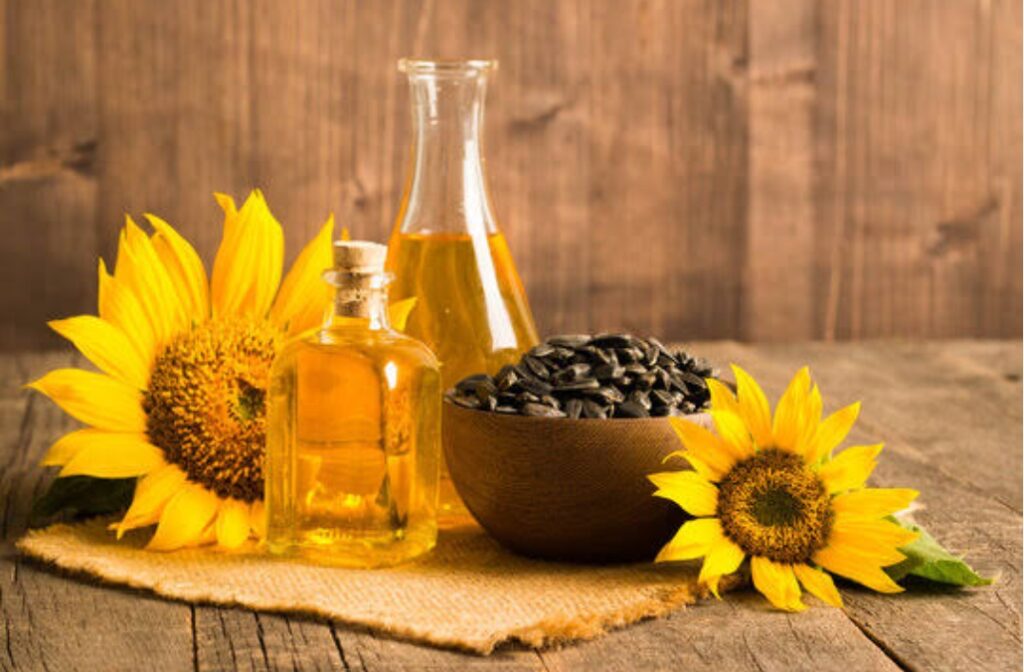
Sunflower seeds are small, crunchy seeds harvested from the flower head of the sunflower plant (Helianthus annuus). Despite their size, they are packed with essential nutrients, healthy fats, vitamins, and minerals that offer numerous health benefits.
Widely consumed as a snack or used in cooking and baking, sunflower seeds are popular for their taste as well as their nutritional value. Let’s explore the major benefits of sunflower seeds and why they deserve a place in your daily diet.
Table of Contents
Rich Source of Nutrients
Sunflower seeds are highly nutritious and provide a balanced mix of macronutrients and micronutrients. They are rich in healthy fats, especially polyunsaturated and monounsaturated fats, which are essential for heart health.
They also contain good amounts of protein, dietary fiber, vitamin E, B-complex vitamins, magnesium, selenium, iron, zinc, and copper. This powerful nutrient profile supports overall health and wellness.
Supports Heart Health
One of the most important benefits of sunflower seeds is their positive effect on heart health. They are an excellent source of vitamin E, a powerful antioxidant that helps protect cells from oxidative damage. Vitamin E plays a key role in reducing inflammation and lowering the risk of cardiovascular diseases.
Additionally, sunflower seeds contain phytosterols, which help reduce LDL (bad) cholesterol levels, thereby improving heart function and reducing the risk of heart attacks and strokes.

Also Read: How to eat chia seeds for weight loss
Boosts Immunity
Sunflower seeds help strengthen the immune system due to their high content of selenium, zinc, and vitamin E. Selenium supports immune response and helps protect the body against infections.
Zinc is essential for immune cell development and wound healing, while vitamin E enhances the body’s ability to fight off harmful free radicals. Regular consumption of sunflower seeds can help maintain a strong immune defense.
Improves Skin and Hair Health
Sunflower seeds are often recommended for glowing skin and healthy hair. The vitamin E present in these seeds protects the skin from damage caused by UV rays and pollution. It also helps maintain skin elasticity and slows down signs of aging such as wrinkles and fine lines. The healthy fats and minerals like zinc promote hair growth, reduce hair fall, and improve scalp health.
Supports Brain Function and Mental Health
Sunflower seeds are a natural source of B-complex vitamins, especially vitamin B6 (pyridoxine), which plays a crucial role in brain health. Vitamin B6 helps in the production of neurotransmitters like serotonin and dopamine, which regulate mood and reduce stress and anxiety. Magnesium in sunflower seeds also supports nerve function and helps improve sleep quality.
Helps in Blood Sugar Control
For people with diabetes or those aiming to manage blood sugar levels, sunflower seeds can be a beneficial addition to the diet. Their fiber content slows down digestion and prevents sudden spikes in blood sugar. Magnesium also improves insulin sensitivity, helping the body regulate glucose levels more effectively.
Also Read: Black Tea Without Sugar Benefits
Aids Digestion and Gut Health
Sunflower seeds contain a good amount of dietary fiber, which is essential for healthy digestion. Fiber helps regulate bowel movements, prevents constipation, and supports a healthy gut microbiome. A well-functioning digestive system improves nutrient absorption and overall health.
Supports Bone and Muscle Health
Sunflower seeds are rich in minerals like magnesium, phosphorus, and calcium, which are vital for strong bones and teeth. Magnesium also helps in muscle relaxation and prevents cramps and fatigue. Including sunflower seeds in your diet can contribute to better bone density and muscle function, especially as you age.
Helps in Weight Management
Although sunflower seeds are calorie-dense, they can support weight management when consumed in moderation. Their high protein and fiber content promotes satiety, helping you feel full for longer and reducing unnecessary snacking. The healthy fats also provide sustained energy, making them a great snack option.
Easy to Add to Your Diet
Sunflower seeds are versatile and easy to include in daily meals. They can be eaten raw or roasted as a snack, added to salads, smoothies, yogurt, oatmeal, baked goods, or used as a topping for vegetables and soups. Sunflower seed butter is also a nutritious alternative to peanut butter.
Frequently Asked Questions (FAQ)
1. Are sunflower seeds good for daily consumption?
Yes, sunflower seeds are safe and beneficial for daily consumption when eaten in moderation. A small handful (about 20–30 grams) per day is sufficient to enjoy their health benefits.
2. Can sunflower seeds help with weight loss?
Yes, sunflower seeds can support weight loss due to their protein and fiber content, which helps control appetite. However, portion control is important because they are high in calories.
3. Are sunflower seeds good for heart patients?
Yes, sunflower seeds are heart-friendly. They contain vitamin E, healthy fats, and phytosterols that help lower bad cholesterol and reduce inflammation.
4. Can people with diabetes eat sunflower seeds?
Yes, sunflower seeds are suitable for people with diabetes. They help regulate blood sugar levels due to their fiber and magnesium content, but should be consumed in moderation.
5. Are sunflower seeds good for skin and hair?
Absolutely. Sunflower seeds are rich in vitamin E, healthy fats, and zinc, which promote healthy skin, reduce aging signs, and strengthen hair.
6. What is the best way to eat sunflower seeds?
Sunflower seeds can be eaten raw, roasted, or added to salads, cereals, smoothies, and baked foods. Unsalted or lightly roasted seeds are the healthiest option.
7. Do sunflower seeds have any side effects?
Excessive consumption may lead to weight gain or high sodium intake (if salted). People with seed allergies should avoid them.
Also Read: Sunflower Seeds Benefits, Nutrition and The Best Ways to Eat Them