Pumpkin Seed Benefits
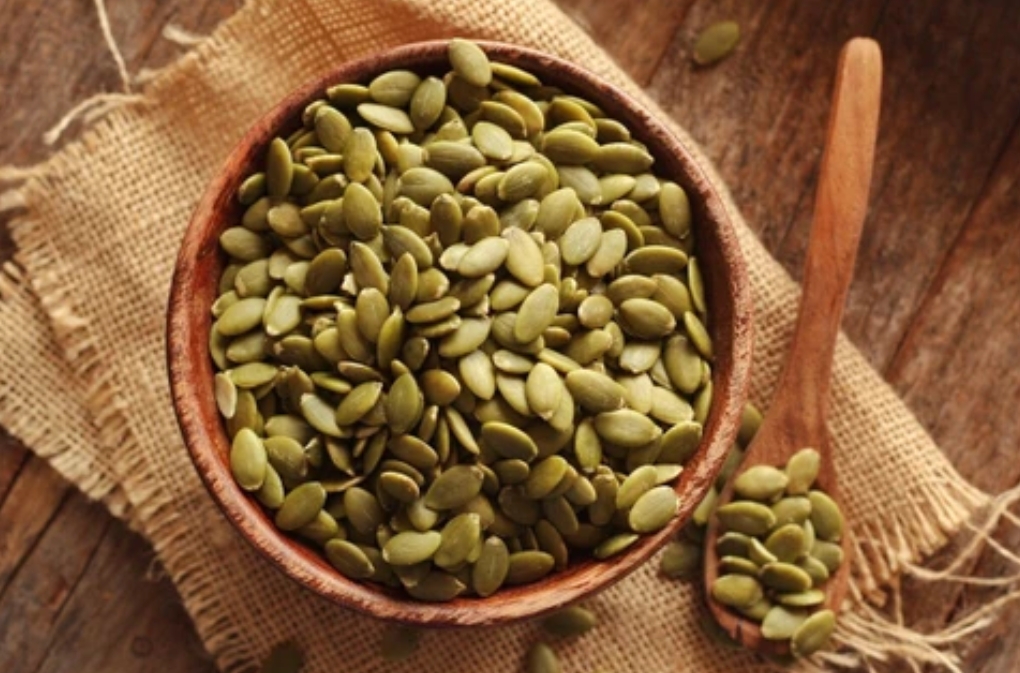
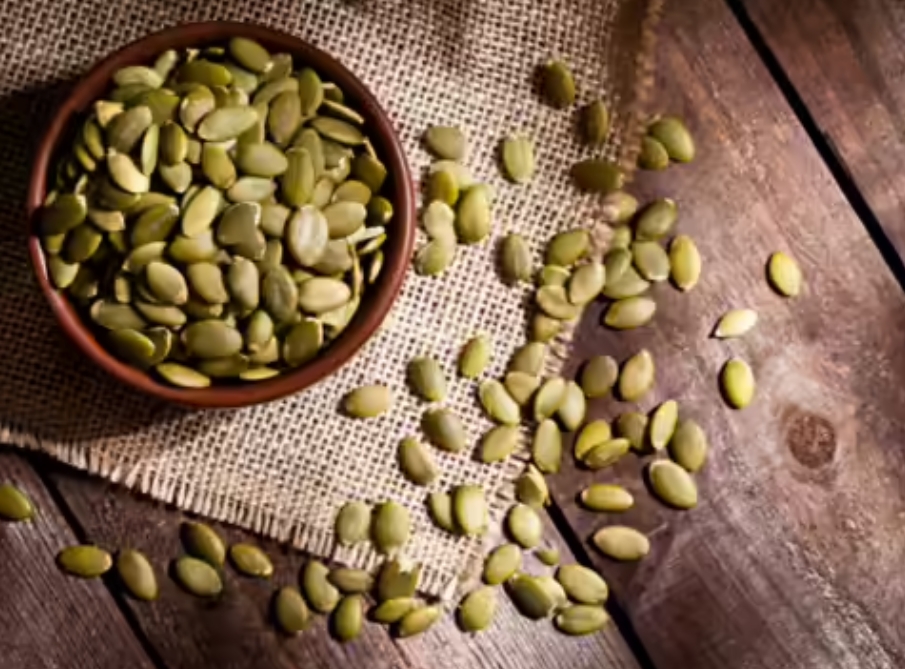
Pumpkin seeds, also known as pepitas, are small, flat, oval-shaped seeds obtained from pumpkins. Despite their tiny size, pumpkin seeds are a powerhouse of essential nutrients and health-promoting compounds. They have been consumed for centuries in traditional diets and medicines across the world.
Today, modern science confirms that pumpkin seeds offer numerous health benefits, making them an excellent addition to a balanced diet.
Table of Contents
Nutritional Value of Pumpkin Seeds
Pumpkin seeds are rich in vitamins, minerals, healthy fats, protein, and antioxidants. They contain high amounts of magnesium, zinc, iron, phosphorus, potassium, and manganese. In addition, pumpkin seeds provide plant-based protein, dietary fiber, omega-3 and omega-6 fatty acids, and antioxidants such as carotenoids and vitamin E.
This impressive nutritional profile contributes to their wide range of health benefits.
Also Read: Top 10 Benefits of Pumpkin Seed Oil
1. Supports Heart Health
One of the most important benefits of pumpkin seeds is their positive effect on heart health. They are rich in magnesium, which helps regulate blood pressure, maintain a steady heartbeat, and improve blood vessel function. The healthy fats in pumpkin seeds help reduce bad cholesterol (LDL) while increasing good cholesterol (HDL).
Antioxidants present in the seeds reduce inflammation and oxidative stress, lowering the risk of heart disease.
2. Improves Prostate and Urinary Health
Pumpkin seeds are especially beneficial for men’s health. They have been traditionally used to support prostate health and manage symptoms of benign prostatic hyperplasia (BPH), a condition that causes difficulty in urination.
Compounds such as zinc and phytosterols in pumpkin seeds help reduce prostate enlargement and improve urinary flow. They are also known to support bladder health in both men and women.
3. Enhances Immune Function
Pumpkin seeds contain a high amount of zinc, a mineral essential for immune system function. Zinc helps the body fight infections, supports wound healing, and promotes healthy cell growth. Regular consumption of pumpkin seeds may help strengthen immunity, reduce the frequency of common colds, and improve overall resistance to diseases.
4. Promotes Better Sleep
Pumpkin seeds are a natural source of tryptophan, an amino acid that helps produce serotonin and melatonin—hormones responsible for regulating sleep. They also contain magnesium, which relaxes muscles and calms the nervous system. Eating pumpkin seeds, especially in the evening, may improve sleep quality and help reduce insomnia.
5. Supports Digestive Health
Pumpkin seeds are rich in dietary fiber, which aids digestion and promotes regular bowel movements. Fiber helps prevent constipation, supports gut health, and feeds beneficial gut bacteria. The seeds also possess anti-parasitic properties and have been traditionally used to eliminate intestinal worms.
6. Helps Regulate Blood Sugar Levels
Pumpkin seeds can be beneficial for people with diabetes or those at risk of developing it. They contain magnesium and fiber, which help regulate blood sugar levels and improve insulin sensitivity. Studies suggest that regular intake of pumpkin seeds may help reduce blood glucose levels and support better metabolic health.
Also Read: Milk Tea Without Sugar Benefits
7. Improves Skin and Hair Health
Pumpkin seeds are rich in zinc, antioxidants, and healthy fats that promote healthy skin and hair. Zinc helps reduce acne, supports collagen production, and speeds up wound healing. The antioxidants protect the skin from damage caused by free radicals, while omega fatty acids keep the skin moisturized and hair strong.
8. Aids Weight Management
Pumpkin seeds are high in protein and fiber, which increase feelings of fullness and reduce hunger. Including pumpkin seeds as a snack can help control appetite, reduce overeating, and support weight management. Despite being calorie-dense, moderate consumption can be beneficial for maintaining a healthy weight.
9. Boosts Bone Health
Pumpkin seeds contain magnesium, phosphorus, and zinc, all of which play an important role in maintaining strong and healthy bones. Magnesium helps increase bone density, while zinc supports bone regeneration. Regular consumption may help reduce the risk of osteoporosis, especially in older adults.
10. Easy to Include in Daily Diet
Pumpkin seeds are versatile and easy to include in meals. They can be eaten raw, roasted, or sprouted. You can add them to salads, smoothies, oatmeal, yogurt, soups, or baked goods. Pumpkin seed oil is also popular and offers many of the same health benefits.
Frequently Asked Questions (FAQ)
1. How many pumpkin seeds should I eat daily?
About 1–2 tablespoons (20–30 grams) of pumpkin seeds per day is sufficient to gain health benefits without consuming excess calories.
2. Are pumpkin seeds good for weight loss?
Yes, pumpkin seeds are high in protein and fiber, which help control hunger and keep you full for longer, supporting weight management.
3. Can pumpkin seeds be eaten raw?
Yes, pumpkin seeds can be eaten raw, roasted, or soaked. Raw and soaked seeds retain more nutrients.
4. Are pumpkin seeds good for men’s health?
Pumpkin seeds are especially beneficial for men as they support prostate health, improve urinary function, and provide zinc for testosterone production.
5. Do pumpkin seeds help improve sleep?
Yes, pumpkin seeds contain tryptophan and magnesium, which help relax the body and improve sleep quality.
6. Are pumpkin seeds safe for people with diabetes?
Yes, pumpkin seeds can help regulate blood sugar levels when eaten in moderation as part of a balanced diet.
7. Can children eat pumpkin seeds?
Yes, children can eat pumpkin seeds, but they should be given in small amounts and preferably crushed or ground to avoid choking hazards.
8. What is the best time to eat pumpkin seeds?
Pumpkin seeds can be eaten at any time of the day. Consuming them in the evening may help improve sleep.
Also Read: Top 11 Science-Based Health Benefits of Pumpkin Seeds