Benefits of Fenugreek
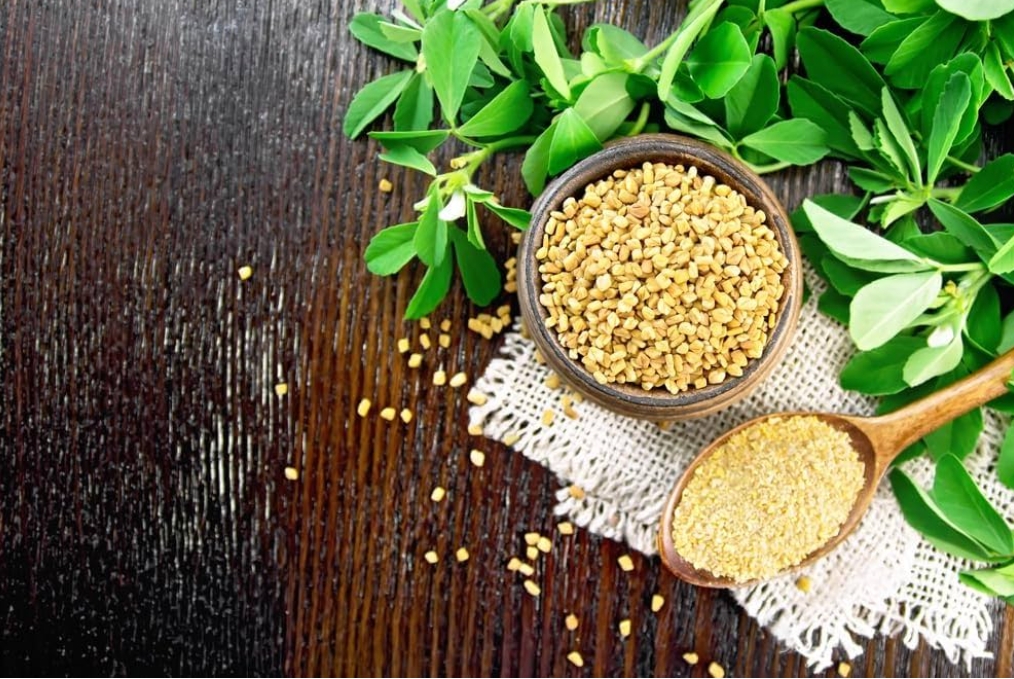
Fenugreek, commonly known as methi, is a traditional herb widely used in Indian households as both a culinary spice and a medicinal herb. Its seeds and fresh leaves are rich in essential nutrients and bioactive compounds, offering numerous health benefits.
From improving digestion to managing blood sugar levels, fenugreek has been valued in Ayurveda and traditional medicine for centuries. In this blog, we will explore the major benefits of fenugreek and why it deserves a place in your daily diet.
Table of Contents
Nutritional Value of Fenugreek
Fenugreek seeds are rich in fiber, protein, iron, magnesium, manganese, vitamin B6, and antioxidants. They also contain special compounds like saponins, flavonoids, and galactomannan, which are responsible for many of their medicinal properties. Fenugreek leaves provide vitamins A, C, and K, making them beneficial for overall health.
1. Helps Control Blood Sugar Levels
One of the most well-known benefits of fenugreek is its ability to regulate blood sugar levels. Fenugreek seeds contain soluble fiber that slows down the digestion and absorption of carbohydrates. This helps prevent sudden spikes in blood glucose levels. Regular consumption of soaked fenugreek seeds or fenugreek powder is especially beneficial for people with type 2 diabetes and insulin resistance.
Also Read:How to control sugar level
2. Improves Digestion and Gut Health
Fenugreek is excellent for digestive health. Its high fiber content promotes smooth bowel movements and helps prevent constipation. Fenugreek also reduces acidity, gas, and bloating by soothing the stomach lining. Traditionally, fenugreek water is used as a natural remedy for indigestion and acid reflux.

3. Supports Weight Loss
Fenugreek can be a helpful addition to a weight loss diet. The fiber in fenugreek increases the feeling of fullness and reduces appetite, which helps control overeating. Drinking fenugreek seed water in the morning can boost metabolism and aid in fat management when combined with a balanced diet and regular exercise.
Also Read: Top 6 Healthy Lunch Ideas for Weight Loss
4. Enhances Heart Health
Fenugreek helps in maintaining a healthy heart by reducing bad cholesterol (LDL) and triglyceride levels. The soluble fiber and antioxidants present in fenugreek prevent cholesterol absorption in the intestines. Regular intake can lower the risk of heart diseases such as atherosclerosis and high blood pressure.
5. Boosts Testosterone and Male Health
Fenugreek has gained popularity for its role in improving male reproductive health. It helps boost testosterone levels, enhance libido, and improve muscle strength. Fenugreek supplements are often used by men to support stamina, fertility, and overall vitality.
6. Supports Women’s Health
Fenugreek is particularly beneficial for women. It helps regulate menstrual cycles, reduce menstrual cramps, and manage symptoms of PCOS. Fenugreek is also widely known for increasing breast milk production in lactating mothers due to its natural galactagogue properties.
7. Strengthens Hair and Skin
Fenugreek is a popular natural remedy for hair fall, dandruff, and premature greying. The protein and nicotinic acid present in fenugreek strengthen hair roots and promote hair growth. Fenugreek paste or water can also improve skin health by reducing acne, pigmentation, and inflammation.
8. Improves Immunity
Fenugreek is rich in antioxidants and anti-inflammatory compounds that help strengthen the immune system. Regular consumption helps the body fight infections, reduces inflammation, and supports faster recovery from illness.
9. Anti-Inflammatory and Pain-Relief Properties
Fenugreek has natural anti-inflammatory properties that help reduce joint pain, muscle soreness, and arthritis symptoms. Fenugreek paste or warm fenugreek water is often used to relieve body pain naturally.
10. Easy Ways to Include Fenugreek in Daily Diet
Fenugreek can be consumed in various forms:
- Soaked fenugreek seeds in water
- Fenugreek powder mixed with warm water
- Fresh methi leaves in vegetables, parathas, and dals
- Fenugreek tea
- Fenugreek supplements (under medical advice)
Frequently Asked Questions (FAQ)
Q1. What is the best time to consume fenugreek seeds?
The best time to consume fenugreek seeds is early morning on an empty stomach, soaked overnight in water.
Q2. Can fenugreek help in diabetes management?
Yes, fenugreek helps regulate blood sugar levels by slowing carbohydrate absorption and improving insulin sensitivity.
Q3. Is fenugreek good for hair growth?
Yes, fenugreek strengthens hair roots, reduces hair fall, and promotes hair growth when used regularly.
Q4. Can fenugreek be consumed daily?
Yes, fenugreek can be consumed daily in moderate amounts. Excess intake should be avoided.
Q5. Are there any side effects of fenugreek?
Excessive consumption may cause bloating, diarrhea, or low blood sugar. Pregnant women should consult a doctor before use.
Q6. Does fenugreek help in weight loss?
Yes, fenugreek helps control appetite and improves digestion, supporting weight loss efforts.
Q7. Can lactating mothers consume fenugreek?
Yes, fenugreek is commonly used to increase breast milk production, but it should be consumed under guidance.
Conclusion
Fenugreek is a powerful herb with multiple health benefits, ranging from blood sugar control to improved digestion, heart health, and hair care. Including fenugreek in your daily routine can naturally enhance overall wellness. However, moderation and consistency are key to gaining its full benefits.
Also Read: What to Know About the Uses, Benefits, and Side Effects of Fenugreek