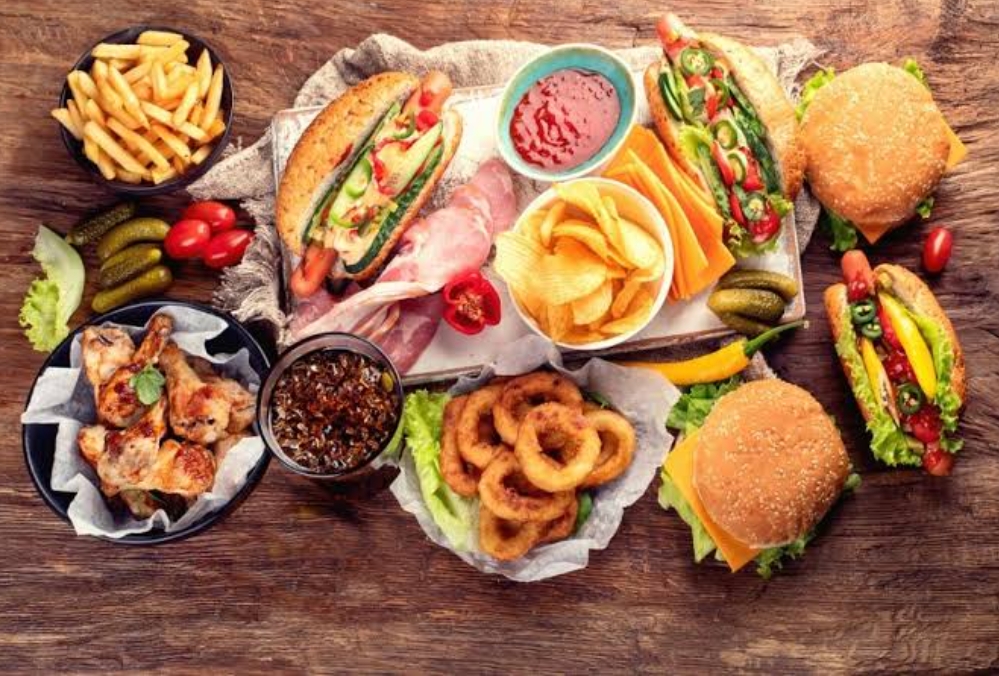
Fast food has become an integral part of modern lifestyles due to its convenience, affordability, and appealing taste. From burgers and fries to pizzas and fried chicken, fast food outlets are easily accessible in cities and towns across the world.
However, despite its popularity, frequent consumption of fast food comes with several serious disadvantages that can negatively impact physical health, mental well-being, and overall quality of life. Understanding these drawbacks is essential to making healthier food choices.
Table of Contents
1. High in Calories and Unhealthy Fats
One of the biggest disadvantages of fast food is its high calorie content. Most fast food items are rich in saturated fats and trans fats, which significantly increase calorie intake without providing essential nutrients. Regular consumption can lead to excessive weight gain and obesity. Fried foods, cheesy burgers, and creamy sauces add unnecessary fats that strain the heart and increase cholesterol levels.
Here is a clear table-format list of common fast foods and their approximate calorie values (per typical serving):
Fast Food Item
Serving Size (Approx.)
Calories (kcal)
Veg Burger
1 regular
300–350
Chicken Burger
1 regular
400–450
Cheese Burger
1 regular
450–500
French Fries
Medium serving
350–400
Pizza (Cheese)
1 slice
250–300
Pizza (Pepperoni)
1 slice
300–350
Hot Dog
1 piece
280–320
Fried Chicken
1 piece
320–380
Chicken Nuggets
6 pieces
280–320
Sandwich (Veg)
1 serving
250–300
Sandwich (Chicken)
1 serving
350–400
Tacos
1 medium
200–250
Burrito
1 large
600–700
Instant Noodles
1 packet
350–400
Samosa
1 piece
150–180
Spring Roll
1 piece
120–150
Donut
1 medium
250–300
Soft Drink (Cola)
330 ml
140–150
Milkshake
1 glass
350–450
Ice Cream
1 scoop
130–160
2. Low Nutritional Value
Fast food is often referred to as “empty calories” because it lacks essential nutrients such as vitamins, minerals, dietary fiber, and antioxidants. Meals are typically high in refined carbohydrates, sugar, and unhealthy fats but low in fruits, vegetables, and whole grains. Over time, this can result in nutrient deficiencies, weakened immunity, and poor overall health.
3. Increased Risk of Obesity
Due to its high calorie density and large portion sizes, fast food significantly contributes to obesity. Sugary beverages, fries, and desserts further increase calorie intake. Obesity increases the risk of various health problems such as heart disease, diabetes, joint pain, and reduced mobility. Children and teenagers are especially vulnerable, as early exposure to fast food can lead to lifelong unhealthy eating habits.
4. Negative Impact on Heart Health
Fast food is usually high in sodium and unhealthy fats, which can raise blood pressure and increase the risk of cardiovascular diseases. Excessive salt intake contributes to hypertension, while saturated fats increase bad cholesterol (LDL) levels. Over time, this combination can lead to heart attacks, strokes, and other serious heart-related conditions.
Regular intake of fast food, especially sugary drinks and refined carbohydrates, can lead to insulin resistance. This increases the risk of developing type 2 diabetes. High sugar content causes rapid spikes in blood glucose levels, putting extra pressure on the pancreas to produce insulin. Over time, this disrupts normal blood sugar regulation.
6. Digestive Problems
Fast food lacks dietary fiber, which is essential for healthy digestion. Low fiber intake can cause constipation, bloating, and other digestive disorders. Additionally, excessive consumption of greasy and fried foods can lead to acid reflux, indigestion, and stomach discomfort.
7. Harmful Effects on Mental Health
Several studies suggest a link between frequent fast food consumption and mental health issues such as depression, anxiety, and mood swings. Diets high in processed foods and sugar can affect brain function and emotional stability. Poor nutrition may also reduce energy levels, leading to fatigue and decreased concentration.
8. Addictive Nature of Fast Food
Fast food is designed to be highly palatable by combining sugar, salt, and fat in ways that trigger pleasure centers in the brain. This can lead to cravings and overeating, making it difficult to break the habit. The addictive nature of fast food encourages frequent consumption and unhealthy dependence.
9. Poor Eating Habits and Lifestyle
Regular fast food consumption promotes poor eating habits such as irregular meal times, overeating, and lack of mindful eating. It often replaces home-cooked meals, which are usually healthier and more balanced. This lifestyle can reduce family bonding during meals and decrease awareness of portion control.
Although fast food appears cheap initially, the long-term health costs can be significant. Medical expenses related to obesity, heart disease, diabetes, and other lifestyle-related disorders can far outweigh the short-term convenience of fast food. Choosing healthier foods can save money and improve quality of life in the long run.
Conclusion
While fast food may be convenient and tasty, its disadvantages far outweigh its benefits when consumed regularly. High calorie content, poor nutrition, and increased risk of chronic diseases make fast food a major health concern.
Limiting fast food intake and opting for balanced, home-cooked meals rich in fruits, vegetables, whole grains, and lean proteins is essential for maintaining good health and well-being.
Frequently Asked Questions (FAQ)
Q1. Is eating fast food occasionally harmful? Eating fast food occasionally is not harmful if it is part of a balanced diet. Problems arise with frequent and excessive consumption.
Q2. Why is fast food considered unhealthy? Fast food is considered unhealthy because it is high in calories, unhealthy fats, sugar, and sodium while being low in essential nutrients.
Q3. Can fast food cause obesity? Yes, regular consumption of fast food can lead to obesity due to high calorie intake and large portion sizes.
Q4. Does fast food affect children more than adults? Yes, children are more vulnerable as fast food can affect their growth, learning ability, and long-term eating habits.
Q5. What are healthier alternatives to fast food? Healthier alternatives include home-cooked meals, salads, grilled foods, fruits, whole grains, and traditional balanced diets.
As winter arrives, so do chilly winds, dropping temperatures, and a greater risk of getting sick. While winter has its charm—cosy blankets, hot beverages, and…
When it comes to weight loss, the idea of a “magic pill” is incredibly appealing—and yet, unfortunately, reality is far more complex. If you’re looking…