Curd Rice Benefits
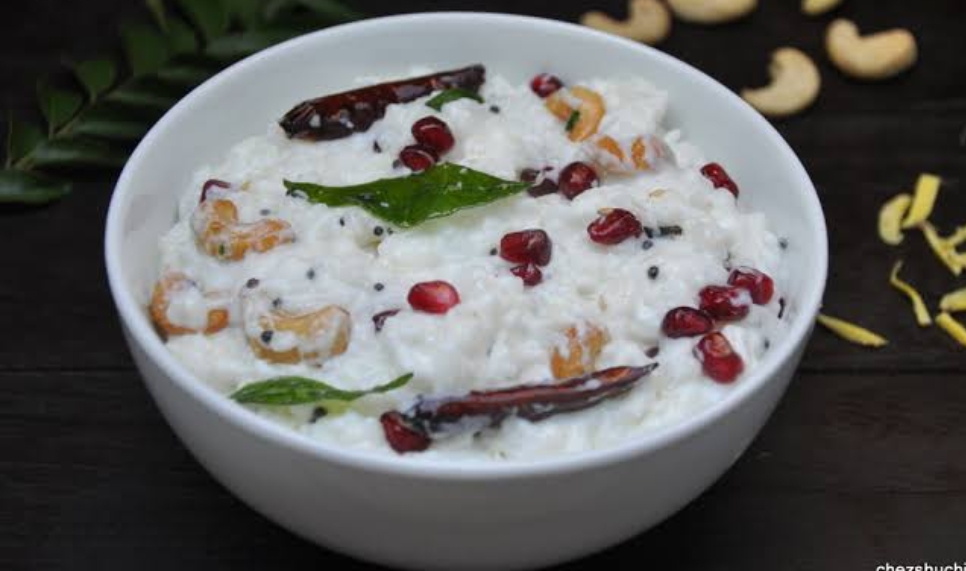
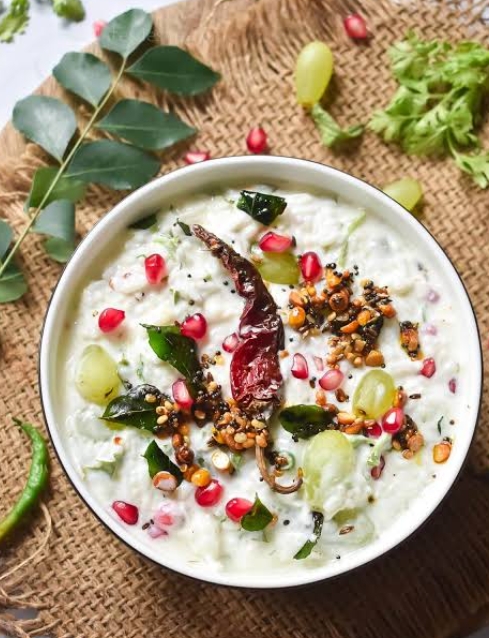
Curd rice, also known as yoghurt rice or “thayir sadam,” is a traditional Indian comfort food enjoyed across South India and beyond. Made with cooked rice mixed with fresh curd (yoghurt) and often tempered with mustard seeds, curry leaves, and ginger, curd rice is a simple yet incredibly nourishing dish.
While many people eat it for its soothing taste, curd rice offers several health benefits that make it a smart addition to a balanced diet.
Let’s explore the key health benefits of curd rice and why it deserves a place on your plate.
Table of Contents
1. Improves Digestion and Gut Health
One of the biggest benefits of curd rice is its positive effect on digestion. Curd is rich in probiotics—good bacteria that help maintain a healthy gut microbiome. These probiotics improve digestion, reduce bloating, and prevent issues like constipation and diarrhea.
Rice is easy to digest, and when combined with curd, it becomes even gentler on the stomach. This makes curd rice an ideal meal for people recovering from illness, stomach upset, or acidity.
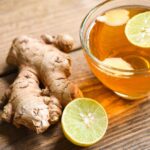
Also Read:How Much Ginger for Gut Health? Benefits, and Best Ways to Use It
2. Keeps the Body Cool
Curd rice has a natural cooling effect on the body. It helps balance excess heat, especially during hot summers. Unlike spicy or fried foods that can increase body heat, curd rice soothes the digestive system and keeps the body hydrated.
This is why curd rice is often recommended for people experiencing acidity, heartburn, or heat-related discomfort.
3. Rich Source of Probiotics
Curd is packed with live cultures that strengthen the immune system and improve nutrient absorption. Regular consumption of probiotic-rich foods like curd rice helps protect against harmful bacteria, improves gut immunity, and supports overall digestive health.
A healthy gut also plays a role in better mood, energy levels, and mental well-being.
4. Supports Weight Management
Curd rice can be helpful for weight management when eaten in moderation. Curd is rich in protein and calcium, which promote fullness and reduce unnecessary snacking. Protein also helps preserve muscle mass during weight loss.
For those trying to lose weight, using low-fat curd and controlled portions of rice can make curd rice a healthy, satisfying meal.
Also Read: Top 9 Low Calorie Snacks for Weight Loss
5. Strengthens Bones and Teeth
Curd is an excellent source of calcium, phosphorus, and vitamin D, all of which are essential for strong bones and teeth. Regular intake of curd rice can help maintain bone density and reduce the risk of osteoporosis, especially in older adults.
Children and women can particularly benefit from calcium-rich meals like curd rice.
6. Boosts Immunity
The probiotics in curd enhance immune function by supporting healthy gut bacteria. A strong digestive system helps the body fight infections more effectively.
Additionally, curd contains vitamins like B12 and riboflavin, which support energy production and immune health.
7. Good for Heart Health
Curd rice can contribute to heart health when prepared in a healthy way. Curd helps regulate cholesterol levels by reducing bad LDL cholesterol and increasing good HDL cholesterol.
Using minimal salt and avoiding excess butter or oil in tempering makes curd rice a heart-friendly option.
8. Helps Manage Acidity and Ulcers
Curd rice is often recommended for people suffering from acidity, acid reflux, or stomach ulcers. The probiotics in curd neutralize stomach acids and protect the stomach lining, providing relief from burning sensations and discomfort.
This makes curd rice a safe and soothing choice for sensitive stomachs.
9. Provides Instant Energy
Rice is a good source of carbohydrates, which provide quick energy to the body. When combined with curd, it becomes a balanced meal that fuels the body without causing heaviness.
This makes curd rice suitable for lunch or post-workout meals.
10. Easy to Prepare and Digest
Curd rice is simple to make, requires minimal ingredients, and is suitable for all age groups—from children to the elderly. It is especially beneficial for people who have difficulty digesting heavy or spicy foods.
Adding ingredients like grated carrot, cucumber, or pomegranate can further enhance its nutritional value.
FAQs About Curd Rice
1. Is curd rice healthy to eat daily?
Yes, curd rice can be eaten daily in moderate portions. It supports digestion, gut health, and immunity. However, balance it with vegetables and proteins for overall nutrition.
2. Is curd rice good for weight loss?
Curd rice can support weight loss if prepared with low-fat curd and eaten in controlled portions. Avoid excess rice and add vegetables for better results.
3. Can curd rice cause weight gain?
Eating large portions or using full-fat curd frequently may contribute to weight gain. Portion control is key.
4. Is curd rice good for acidity?
Yes, curd rice is excellent for reducing acidity and soothing the stomach due to its cooling and probiotic properties.
5. Can lactose-intolerant people eat curd rice?
Some lactose-intolerant individuals can tolerate curd better than milk, but it depends on personal sensitivity. Small quantities are recommended initially.
6. Is curd rice good at night?
Curd rice can be eaten at night, but people prone to cold, cough, or sinus issues should avoid it late in the evening.
7. Can diabetics eat curd rice?
Diabetics can eat curd rice in moderation, preferably with brown rice or millets and plenty of vegetables to control blood sugar spikes.
Conclusion
Curd rice is more than just a comfort food—it’s a nutritious, gut-friendly, and versatile meal that supports digestion, immunity, bone health, and overall well-being. When eaten in moderation and prepared thoughtfully, curd rice can be a valuable part of a healthy diet.
Also Read:The Perfect Curd Rice Recipe for a Healthy, Happy Stomach