Will Ginger Help Heartburn
Heartburn is an uncomfortable burning sensation felt in the chest or throat, usually caused by acid reflux. It occurs when stomach acid flows back into the esophagus, irritating its lining. Many people experience heartburn after eating spicy, oily, or heavy meals, and frequent episodes can affect daily comfort and sleep.
While over-the-counter medications are commonly used, natural remedies like ginger have gained popularity. But the question remains: will ginger help heartburn, or can it make it worse?
Let’s explore how ginger works, its benefits, proper usage, and precautions.
Table of Contents

What Makes Ginger Helpful for Digestion?
Ginger is a well-known medicinal root used for centuries in traditional medicine systems such as Ayurveda and Chinese medicine. It contains active compounds like gingerol and shogaol, which are responsible for its anti-inflammatory, antioxidant, and digestive properties.
Ginger is commonly used to relieve nausea, bloating, indigestion, and stomach discomfort. Because heartburn is closely linked to digestive issues, ginger is often recommended as a natural option for symptom relief.
Also Read: Ginger Health Uses: Top 9 Benefits of Ginger for a Healthy Body
Does Ginger Actually Help Heartburn?
Yes, ginger can help relieve heartburn for many people when consumed in the right amount and form. Ginger works by soothing the digestive tract rather than neutralizing stomach acid directly. Its anti-inflammatory nature helps calm irritation in the stomach and esophagus caused by acid reflux.
Ginger also supports better digestion by helping food move more efficiently through the stomach. When food sits in the stomach too long, it increases pressure and the likelihood of acid moving upward into the oesophagus. By promoting faster digestion, ginger may reduce the frequency and intensity of heartburn episodes.
How Ginger Helps Reduce Acid Reflux Symptoms
Ginger supports heartburn relief in several ways:
- Reduces inflammation: Ginger helps soothe the lining of the esophagus irritated by acid.
- Improves digestion: Faster gastric emptying lowers pressure on the lower esophageal sphincter (LES).
- Relieves bloating and gas: These common digestive issues often worsen heartburn.
- Calms stomach discomfort: Ginger relaxes the digestive tract and reduces spasms.
Unlike antacids, ginger addresses the underlying digestive imbalance rather than just masking symptoms.
Also Read: Best Time to Drink Green Tea for Weight Loss
Best Ways to Use Ginger for Heartburn Relief
Using ginger correctly is important to avoid triggering symptoms.
1. Ginger Tea
Ginger tea is one of the safest and most effective ways to consume ginger for heartburn. It is gentle on the stomach and helps reduce inflammation.
How to make:Boil a few slices of fresh ginger in water for 5–10 minutes . Drink warm after meals.
2. Fresh Ginger (Small Amounts)
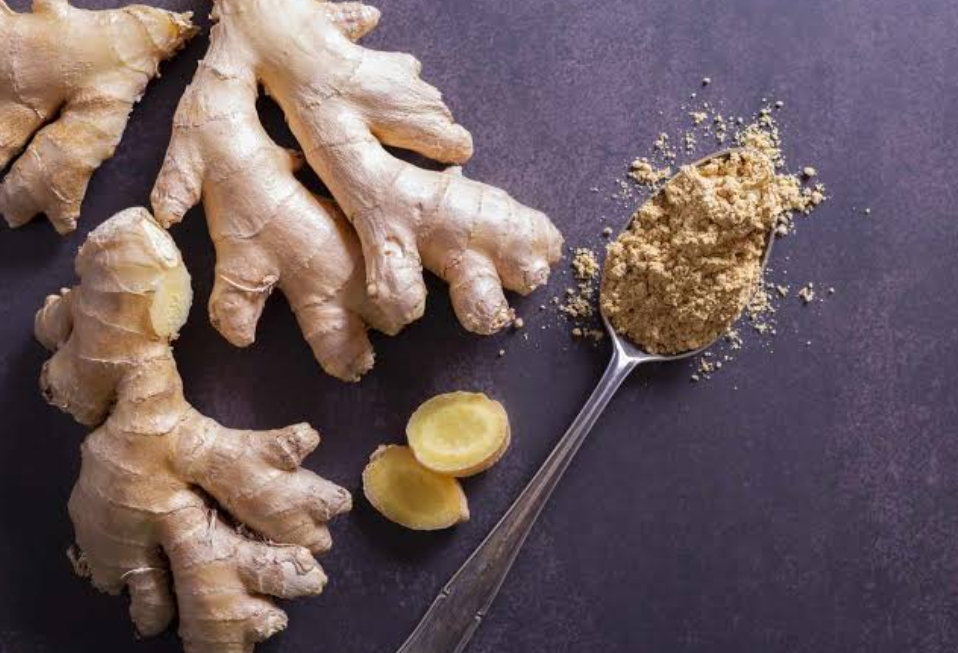
Adding a small amount of fresh ginger to meals or chewing a tiny piece may aid digestion. Avoid consuming large amounts, as raw ginger can be spicy.
3. Ginger Powder
A pinch of ginger powder mixed with warm water or herbal tea can help relieve mild heartburn.
4. Ginger with Honey
Honey helps coat the throat and reduce irritation, making it a good companion to ginger for acid reflux relief.
How Much Ginger Is Safe for Heartburn?
Moderation is essential. Consuming 1–2 grams of ginger per day is generally safe and effective. Excessive intake may stimulate stomach acid production and worsen heartburn symptoms, especially in sensitive individuals.
When Ginger May Make Heartburn Worse
Although ginger helps many people, it may aggravate symptoms in certain cases:
- Consuming large or concentrated doses
- Taking ginger supplements instead of natural forms
- Eating ginger on an empty stomach
- Combining ginger with spicy or oily foods
If you have severe or chronic acid reflux, start with very small amounts and observe your body’s response.
Ginger vs Antacids: Which Is Better?
Antacids provide quick, short-term relief by neutralising stomach acid. Ginger, on the other hand, works gradually by improving digestion and reducing inflammation. Ginger is more suitable for mild or occasional heartburn, while persistent or severe symptoms may require medical treatment.
Tips to Enhance Ginger’s Effectiveness
To get better results from ginger, combine it with healthy lifestyle habits:
- Eat smaller, more frequent meals
- Avoid lying down immediately after eating
- Limit spicy, fried, and acidic foods
- Maintain a healthy body weight
- Drink ginger tea after meals, not before bedtime
Final Verdict: Will Ginger Help Heartburn?
Ginger can be a helpful natural remedy for heartburn when used correctly and in moderation. Its digestive and anti-inflammatory properties help soothe the stomach, reduce irritation, and support better digestion, which may lower acid reflux symptoms. However, ginger is not a cure and may not work for everyone.
If heartburn becomes frequent or severe, it’s important to consult a healthcare professional for proper diagnosis and treatment.
Frequently Asked Questions (FAQs)
1. Can ginger cure heartburn permanently?
No, ginger does not cure heartburn permanently. It helps manage symptoms by improving digestion and reducing inflammation.
2. Is ginger tea good for acid reflux at night?
Ginger tea can help, but it’s best consumed after meals rather than right before bedtime to avoid reflux.
3. Can I take ginger every day for heartburn?
Yes, ginger can be consumed daily in small amounts, such as ginger tea or fresh ginger added to food.
4. Is raw ginger safe for acid reflux?
Raw ginger is safe in small quantities, but large amounts may irritate the stomach.
5. Does ginger increase stomach acid?
In small amounts, ginger does not increase acid significantly. Excessive intake, however, may worsen symptoms.
If you want, I can optimize this further for SEO, shorten it for web publishing, or rewrite it in a more conversational or medical tone.
Also Read: 5 Health Benefits of Ginger