
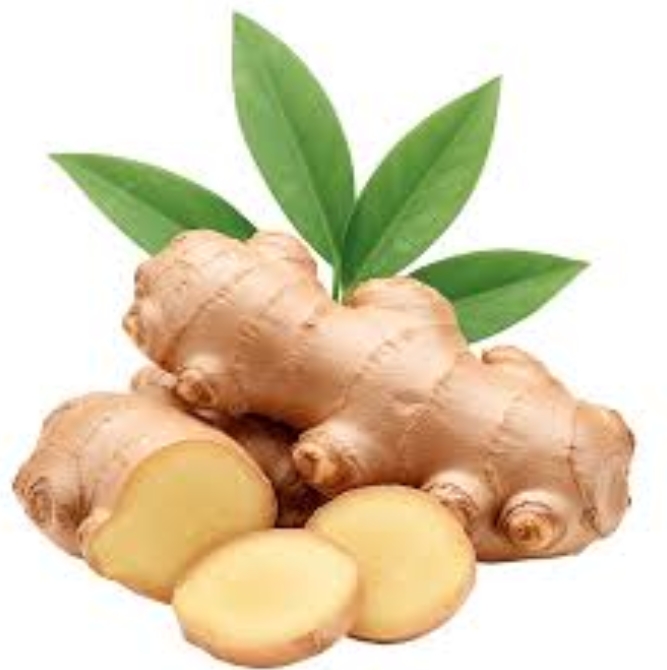
Ginger Health Uses
Ginger (Zingiber officinale) is a powerful medicinal root that has been used for centuries in Ayurveda, Chinese medicine, and traditional home remedies. Known for its strong aroma and spicy taste, ginger is much more than a kitchen spice.
It is packed with bioactive compounds that support digestion, immunity, heart health, and overall wellness.
Today, ginger is widely recognized as a natural remedy for many common health problems. Let’s explore the most important health uses of ginger and how it can benefit your body naturally.
Table of Contents
1. Promotes Healthy Digestion
One of the primary health benefits of ginger is its ability to improve digestion. Ginger stimulates saliva, bile, and digestive enzyme production, which helps food break down efficiently.
Regular ginger consumption can help:
- Reduce bloating and gas
- Relieve indigestion and stomach pain
- Improve gut movement
Drinking ginger tea after meals is an effective way to support digestive health.

Also Read: Top 7 Lemon Ginger Tea Benefits: A Warm Cup of Wellness
2. Natural Remedy for Nausea
Ginger is widely used to reduce nausea and vomiting. It is especially helpful for:
- Morning sickness during pregnancy
- Motion sickness
- Nausea after surgery
- Chemotherapy-related nausea
Ginger works by calming the stomach muscles and improving gastric emptying, making it one of the most trusted natural anti-nausea remedies.
Also Read: Top 8 High-Protein Snacks for Weight Loss
3. Reduces Inflammation and Pain
Ginger contains powerful anti-inflammatory compounds such as gingerol and shogaol. These compounds help reduce inflammation and oxidative stress in the body.
Ginger may be beneficial for:
- Arthritis and joint pain
- Muscle soreness after exercise
- Chronic inflammatory conditions
Consuming ginger regularly may reduce pain and improve flexibility over time.
4. Boosts Immunity and Fights Infections
Another major health use of ginger is strengthening the immune system. Ginger has antibacterial, antiviral, and antioxidant properties that help the body fight infections.
Benefits include:
- Protection against cold and flu
- Relief from sore throat and cough
- Faster recovery from infections
Ginger tea with honey and lemon is a popular immunity-boosting drink.
5. Supports Heart Health
Ginger plays a role in maintaining a healthy heart. Studies suggest ginger may help:
- Lower bad (LDL) cholesterol
- Improve blood circulation
- Reduce blood pressure
- Prevent blood clot formation
These benefits make ginger helpful in reducing the risk of heart disease when consumed as part of a balanced diet.
6. Helps Control Blood Sugar Levels
Ginger may improve insulin sensitivity and help regulate blood sugar levels. This makes it beneficial for people with diabetes or those at risk of developing it.
Potential benefits include:
- Lower fasting blood sugar
- Improved glucose metabolism
- Reduced insulin resistance
However, people on diabetes medication should consult a doctor before regular use.
Also Read: 5Best Ayurvedic Medicines for Sugar Control
7. Supports Weight Loss Efforts
Ginger is often included in weight loss plans because it helps boost metabolism and improve fat digestion.
Ginger may help:
- Increase calorie burning
- Reduce appetite
- Control cravings
- Improve digestion of fats
Drinking ginger water or ginger tea in the morning can support weight management naturally.
8. Relieves Menstrual Cramps
Ginger is a natural pain reliever and can help reduce menstrual discomfort. Its anti-inflammatory properties help relax muscles and reduce cramps.
Women may experience:
- Reduced lower abdominal pain
- Less inflammation
- Improved comfort during periods
Some studies show ginger works as effectively as pain relief medicines for menstrual pain.
9. Improves Brain Function
The antioxidants in ginger help protect brain cells from damage caused by free radicals. Ginger may support:
- Better memory
- Improved focus
- Reduced age-related cognitive decline
Regular consumption may promote long-term brain health.
10. Supports Respiratory Health
Ginger’s warming properties help relax airway muscles and clear mucus from the lungs.
It is helpful for:
- Cough and cold
- Asthma symptoms
- Chest congestion
Ginger tea is commonly used as a natural remedy for respiratory discomfort.
How to Use Ginger Daily
You can include ginger in your routine through:
- Ginger tea
- Ginger water
- Fresh ginger in cooking
- Ginger powder in smoothies
- Raw ginger with honey
A daily intake of 1–2 grams is generally safe for most people.
FAQs on Ginger Health Uses
1. Is ginger safe to consume every day?
Yes, ginger is safe for daily consumption when taken in moderate amounts. Excess intake may cause stomach irritation.
2. What is the best time to consume ginger?
Morning or after meals is ideal, especially in the form of ginger tea or ginger water.
3. Can ginger help with weight loss?
Yes, ginger may boost metabolism, reduce appetite, and improve digestion, supporting weight loss when combined with a healthy lifestyle.
4. Is ginger good for immunity?
Absolutely. Ginger has antibacterial and antiviral properties that help strengthen the immune system.
5. Can pregnant women consume ginger?
Ginger is commonly used for morning sickness, but pregnant women should consult their doctor before regular use.
6. Does ginger help reduce inflammation?
Yes, ginger contains natural anti-inflammatory compounds that may reduce pain and swelling.
Conclusion
Ginger is a versatile and powerful natural remedy with a wide range of health benefits. From improving digestion and boosting immunity to supporting heart health and reducing inflammation, the health uses of ginger are impressive and scientifically supported. Easy to use and widely available, ginger is a simple addition to your daily routine for better overall health.
Also Read: 5 Health Benefits of Ginger