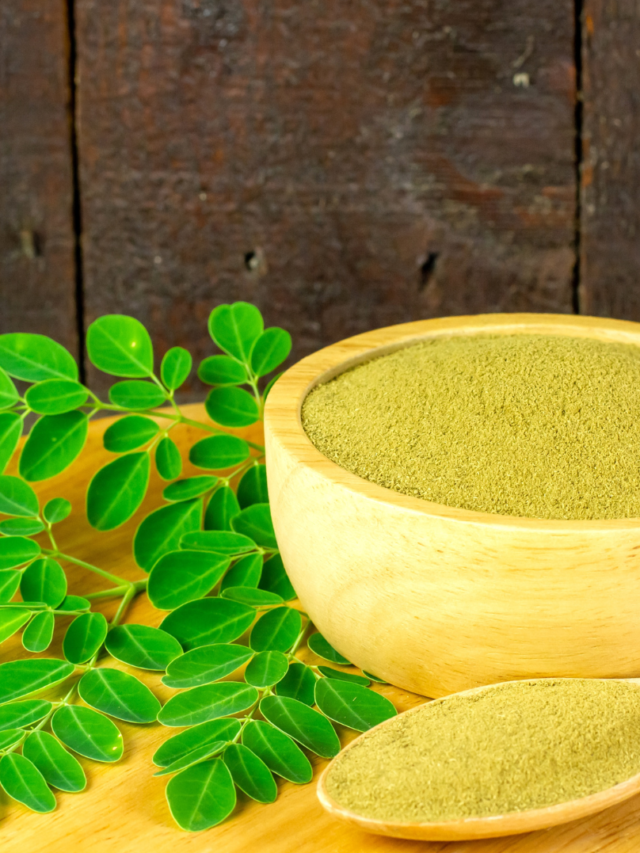
Moringa, scientifically known as Moringa oleifera, is often referred to as the “miracle tree” due to its exceptional nutritional and medicinal value. Native to India and parts of Africa, moringa has been used for centuries in traditional Ayurvedic medicine to treat various health conditions.
Today, modern science also supports many of its health benefits, making moringa a popular superfood worldwide.
From boosting immunity to supporting heart health, moringa offers a wide range of health advantages. Let’s explore why this humble plant is considered one of the most powerful natural health boosters.
Table of Contents
1. Rich Source of Essential Nutrients
Moringa leaves are packed with essential vitamins, minerals, and antioxidants. They contain high amounts of vitamin A, vitamin C, vitamin E, calcium, potassium, iron, and protein. In fact, moringa leaves provide more vitamin C than oranges, more calcium than milk, and more iron than spinach.
This rich nutritional profile makes moringa especially beneficial for people suffering from nutrient deficiencies, fatigue, or poor immunity. It is also an excellent plant-based supplement for vegetarians and vegans.
2. Boosts Immunity Naturally
One of the most important moringa health benefits is its ability to strengthen the immune system. Moringa is rich in antioxidants such as quercetin, chlorogenic acid, and beta-carotene, which help protect the body against free radical damage.
Regular consumption of moringa may help reduce the risk of infections, accelerate recovery from illness, and enhance overall immune response. Its antibacterial and antiviral properties further support the body’s defence system.
Moringa is known to improve digestion and gut health. Its anti-inflammatory properties help soothe the digestive tract and reduce problems like gastritis, bloating, constipation, and acidity. The high fiber content in moringa leaves also promotes healthy bowel movements.
Additionally, moringa has natural detoxifying properties that help cleanse the liver and remove toxins from the body, leading to improved digestive efficiency.
4. Helps Control Blood Sugar Levels
Moringa is highly beneficial for people with diabetes or those at risk of developing it. Studies suggest that moringa leaves can help lower blood sugar levels by improving insulin sensitivity and reducing glucose absorption in the bloodstream.
The presence of chlorogenic acid plays a key role in regulating blood sugar levels. Including moringa powder or fresh leaves in your daily diet may help manage diabetes naturally when combined with a healthy lifestyle.
Heart health is another area where moringa shines. It helps reduce bad cholesterol (LDL) while increasing good cholesterol (HDL). This balance is essential for preventing plaque buildup in arteries and reducing the risk of heart disease.
Moringa’s anti-inflammatory and antioxidant compounds also help regulate blood pressure and improve overall cardiovascular function, making it a heart-friendly superfood.
6. Aids in Weight Management
Moringa is often included in weight loss diets because it is low in calories yet rich in nutrients. Its high fiber content helps keep you full for longer, reducing unnecessary snacking and overeating.
Moreover, moringa supports metabolism and helps regulate fat storage in the body. When combined with a balanced diet and regular exercise, moringa can be a valuable addition to a weight management plan.
7. Improves Skin and Hair Health
Thanks to its high content of vitamins A, C, and E, moringa is excellent for skin and hair health. These vitamins help promote collagen production, reduce signs of aging, and protect the skin from environmental damage.
Moringa oil and powder are often used to treat acne, dryness, and dull skin. For hair, moringa strengthens hair follicles, reduces hair fall, and promotes healthy hair growth.
Also Read:
8. Enhances Brain Function and Mood
Moringa contains compounds that support brain health and improve mental clarity. It helps balance neurotransmitters like serotonin and dopamine, which are responsible for mood regulation.
Regular consumption may help reduce stress, anxiety, and symptoms of depression. Moringa’s anti-inflammatory effects also protect the brain from age-related cognitive decline.
9. Supports Bone Health
Moringa is rich in calcium, phosphorus, and magnesium, all of which are essential for strong bones. It helps improve bone density and may reduce the risk of osteoporosis, especially in older adults and postmenopausal women.
Its anti-inflammatory properties also help reduce joint pain and symptoms of arthritis.
10. Easy to Include in Daily Diet
Moringa can be consumed in various forms, such as fresh leaves, powder, capsules, or tea. You can add moringa powder to smoothies, soups, dals, or herbal drinks. Fresh leaves can be cooked like spinach and included in curries.
However, moderation is key. Excessive consumption may cause digestive discomfort, so it’s best to start with small amounts.
Give me 800 words blog on moringa health
From boosting immunity to supporting heart health, moringa offers a wide range of health advantages. Let’s explore why this humble plant is considered one of the most powerful natural health boosters.
1. Rich Source of Essential Nutrients
Moringa leaves are packed with essential vitamins, minerals, and antioxidants. They contain high amounts of vitamin A, vitamin C, vitamin E, calcium, potassium, iron, and protein. In fact, moringa leaves provide more vitamin C than oranges, more calcium than milk, and more iron than spinach.
This rich nutritional profile makes moringa especially beneficial for people suffering from nutrient deficiencies, fatigue, or poor immunity. It is also an excellent plant-based supplement for vegetarians and vegans.
2. Boosts Immunity Naturally
One of the most important moringa health benefits is its ability to strengthen the immune system. Moringa is rich in antioxidants such as quercetin, chlorogenic acid, and beta-carotene, which help protect the body against free radical damage.
Regular consumption of moringa may help reduce the risk of infections, speed up recovery from illness, and improve overall immune response. Its antibacterial and antiviral properties further support the body’s defense system.
Moringa is known to improve digestion and gut health. Its anti-inflammatory properties help soothe the digestive tract and reduce problems like gastritis, bloating, constipation, and acidity. The high fiber content in moringa leaves also promotes healthy bowel movements.
Additionally, moringa has natural detoxifying properties that help cleanse the liver and remove toxins from the body, leading to improved digestive efficiency.
4. Helps Control Blood Sugar Levels
Moringa is highly beneficial for people with diabetes or those at risk of developing it. Studies suggest that moringa leaves can help lower blood sugar levels by improving insulin sensitivity and reducing glucose absorption in the bloodstream.
The presence of chlorogenic acid plays a key role in regulating blood sugar levels. Including moringa powder or fresh leaves in your daily diet may help manage diabetes naturally when combined with a healthy lifestyle.
5. Promotes Heart Health
Heart health is another area where moringa shines. It helps reduce bad cholesterol (LDL) while increasing good cholesterol (HDL). This balance is essential for preventing plaque buildup in arteries and reducing the risk of heart disease.
Moringa’s anti-inflammatory and antioxidant compounds also help regulate blood pressure and improve overall cardiovascular function, making it a heart-friendly superfood.
6. Aids in Weight Management
Moringa is often included in weight loss diets because it is low in calories yet rich in nutrients. Its high fiber content helps keep you full for longer, reducing unnecessary snacking and overeating.
Moreover, moringa supports metabolism and helps regulate fat storage in the body. When combined with a balanced diet and regular exercise, moringa can be a valuable addition to a weight management plan.
7. Improves Skin and Hair Health
Thanks to its high content of vitamins A, C, and E, moringa is excellent for skin and hair health. These vitamins help promote collagen production, reduce signs of aging, and protect the skin from environmental damage.
Moringa oil and powder are often used to treat acne, dryness, and dull skin. For hair, moringa strengthens hair follicles, reduces hair fall, and promotes healthy hair growth.
8. Enhances Brain Function and Mood
Moringa contains compounds that support brain health and improve mental clarity. It helps balance neurotransmitters like serotonin and dopamine, which are responsible for mood regulation.
Regular consumption may help reduce stress, anxiety, and symptoms of depression. Moringa’s anti-inflammatory effects also protect the brain from age-related cognitive decline.
9. Supports Bone Health
Moringa is rich in calcium, phosphorus, and magnesium, all of which are essential for strong bones. It helps improve bone density and may reduce the risk of osteoporosis, especially in older adults and postmenopausal women.
Its anti-inflammatory properties also help reduce joint pain and symptoms of arthritis.
Conclusion
Moringa truly lives up to its reputation as a miracle tree. Its impressive range of health benefits—from boosting immunity and digestion to supporting heart health and weight management—makes it a powerful natural supplement. With regular and moderate use, moringa can significantly enhance overall well-being.
Whether you’re looking to improve your nutrition, manage chronic conditions, or simply adopt a healthier lifestyle, adding moringa to your diet can be a simple yet effective step toward better health.
Just tell me 😊
Nutritional Value of Moringa
Moringa leaves are packed with essential nutrients that support overall well-being. They are rich in:
Vitamin A for eye and skin health
Vitamin C for immunity
Vitamin E for anti-aging benefits
Calcium for strong bones
Iron for healthy blood circulation
Potassium for heart health
Plant-based protein for muscle support
Due to this impressive nutrient profile, moringa is often recommended for people with nutrient deficiencies, low energy levels, and weak immunity.
Top Moringa Health Benefits
1. Boosts Immunity Naturally
One of the most well-known moringa health benefits is its ability to strengthen the immune system. Moringa contains powerful antioxidants such as quercetin, beta-carotene, and chlorogenic acid. These compounds protect the body from free radical damage and help fight infections.
Regular consumption of moringa powder or moringa tea may reduce the frequency of colds, flu, and other seasonal illnesses.
2. Helps Control Blood Sugar Levels
Moringa is highly beneficial for people with diabetes or prediabetes. Studies suggest that moringa leaves help lower blood sugar levels by improving insulin sensitivity. The presence of chlorogenic acid helps regulate glucose levels and prevents sudden sugar spikes after meals.
Adding moringa to a balanced diet may help manage blood sugar naturally.
3. Supports Heart Health
Moringa plays an important role in improving cardiovascular health. It helps reduce bad cholesterol (LDL) and increases good cholesterol (HDL), lowering the risk of heart disease.
Its anti-inflammatory properties also help regulate blood pressure and improve blood circulation, making moringa a heart-friendly superfood.
4. Aids Digestion and Gut Health
Moringa supports a healthy digestive system by reducing inflammation in the gut. Its high fiber content promotes regular bowel movements and prevents constipation, acidity, and bloating.
Moringa also supports liver detoxification, helping the body remove toxins more efficiently.
5. Helps in Weight Loss
Moringa is often included in weight loss diets due to its low calorie and high nutrient content. The fiber in moringa keeps you full for longer, reducing unnecessary hunger and overeating.
It also supports metabolism and fat regulation, making it useful for healthy and sustainable weight loss.
Moringa benefits for skin and hair are well known. Vitamins A, C, and E help promote collagen production, slow down aging, and protect skin from damage.
Moringa oil nourishes the scalp, reduces hair fall, and supports healthy hair growth, while moringa powder helps clear acne and improves skin glow from within.
7. Supports Brain Health and Mental Wellness
Moringa contains compounds that help balance neurotransmitters like serotonin and dopamine, which regulate mood and mental health. Regular consumption may help reduce stress, anxiety, and mental fatigue.
Its antioxidant properties also support brain health and may reduce the risk of age-related cognitive decline.
8. Strengthens Bones and Joints
Rich in calcium, magnesium, and phosphorus, moringa supports bone density and joint health. It may help reduce joint pain and inflammation, making it beneficial for people with arthritis or weak bones.
How to Use Moringa Daily
FAQs About Moringa
1. Is moringa safe to consume daily?
Yes, moringa is safe for daily consumption when taken in moderate amounts. Excess intake may cause digestive issues.
Conclusion
Moringa truly lives up to its reputation as a miracle tree. Its impressive range of health benefits—from boosting immunity and digestion to supporting heart health and weight management—makes it a powerful natural supplement. With regular and moderate use, moringa can significantly enhance overall well-being.
Whether you’re looking to improve your nutrition, manage chronic conditions, or simply adopt a healthier lifestyle, adding moringa to your diet can be a simple yet effective step toward better health.
As winter arrives, so do chilly winds, dropping temperatures, and a greater risk of getting sick. While winter has its charm—cosy blankets, hot beverages, and…
When it comes to weight loss, the idea of a “magic pill” is incredibly appealing—and yet, unfortunately, reality is far more complex. If you’re looking…