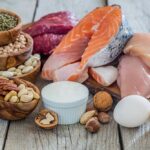
When it comes to bodybuilding, workouts alone are not enough to build a strong, muscular body. Nutrition plays an equally important role. A well-structured bodybuilding diet plan provides the right balance of protein, carbohydrates, healthy fats, vitamins, and minerals needed to fuel workouts, repair muscles, and promote growth.
Whether you are a beginner or an experienced lifter, following the right diet can significantly improve your results.
Table of Contents
Why Diet Is Important in Bodybuilding
During intense training, muscle fibers break down. Proper nutrition helps repair these fibers, making them stronger and larger. Without sufficient calories and nutrients, your body cannot recover properly, which may lead to muscle loss, fatigue, or poor performance. A bodybuilding diet plan ensures your body gets enough energy to train hard and recover efficiently.
Key Nutrients in a Bodybuilding Diet
A successful bodybuilding diet focuses on three macronutrients along with essential micronutrients.
Protein Protein is the building block of muscles. It helps repair and grow muscle tissue after workouts. Bodybuilders typically need more protein than sedentary individuals. Good protein sources include chicken breast, eggs, fish, paneer, tofu, lentils, milk, yogurt, whey protein, and soy products.
Carbohydrates Carbohydrates are the primary source of energy. They fuel workouts and help prevent muscle breakdown. Complex carbohydrates are especially important for sustained energy. Include foods like brown rice, oats, whole wheat roti, sweet potatoes, quinoa, fruits, and vegetables.
Healthy Fats Fats support hormone production, including testosterone, which is vital for muscle growth. Healthy fats also help with joint health and nutrient absorption. Sources include nuts, seeds, olive oil, coconut oil, ghee, avocados, and fatty fish.
Vitamins and Minerals Micronutrients help with recovery, immunity, and overall health. A colorful diet with fruits and vegetables ensures adequate intake of vitamins and minerals like iron, calcium, magnesium, and zinc.
Daily Calorie Requirements
To gain muscle, you must consume more calories than you burn. This is known as a calorie surplus. On average, a bodybuilder may need 250–500 extra calories per day for lean muscle gain. However, calorie needs vary based on age, weight, height, gender, metabolism, and training intensity.
Sample Bodybuilding Diet Plan (Indian Style)
Early Morning
Warm water with lemon
5–6 soaked almonds or walnuts
Breakfast
Oats cooked with milk
2–3 boiled eggs or paneer bhurji
One banana or apple
Mid-Morning Snack
Fruit smoothie or yogurt
Handful of peanuts or seeds
Lunch
Brown rice or whole wheat roti
Grilled chicken, fish, paneer, or dal
Mixed vegetable sabzi
Salad with cucumber and carrot
Pre-Workout Meal
Sweet potato or banana
Black coffee (optional)
Post-Workout Meal
Whey protein shake
One fruit like banana or dates
Dinner
Quinoa, roti, or rice
Lean protein source (chicken, fish, paneer, tofu)
Steamed vegetables
Before Bed
A glass of milk or curd
This plan provides balanced nutrition while supporting muscle growth and recovery.
Eating at regular intervals keeps energy levels stable and supports muscle repair. Pre-workout meals provide fuel for training, while post-workout nutrition helps replenish glycogen stores and repair muscle tissue. Skipping meals can slow progress and affect performance.
Hydration and Bodybuilding
Water is often overlooked but is essential for muscle function and recovery. Dehydration can reduce strength, endurance, and focus. Aim to drink at least 3–4 liters of water daily, especially if you train intensely or sweat a lot.
Supplements in a Bodybuilding Diet
Supplements are not mandatory, but they can support your diet when used correctly. Common bodybuilding supplements include whey protein, creatine, BCAAs, and multivitamins. Remember, supplements should complement a healthy diet, not replace whole foods.
Common Diet Mistakes to Avoid
Skipping meals or under-eating
Relying too much on junk or processed food
Not consuming enough protein
Ignoring vegetables and fruits
Inconsistent eating habits
Avoiding these mistakes can help you achieve better and sustainable results.
Final Thoughts
A bodybuilding diet plan is the foundation of muscle growth, strength, and overall fitness. Consistency, balance, and quality food choices are key to long-term success. Focus on whole foods, eat enough calories, stay hydrated, and adjust your diet according to your goals. Combined with proper training and rest, the right diet can transform your physique and performance over time.
As winter arrives, so do chilly winds, dropping temperatures, and a greater risk of getting sick. While winter has its charm—cosy blankets, hot beverages, and…
When it comes to weight loss, the idea of a “magic pill” is incredibly appealing—and yet, unfortunately, reality is far more complex. If you’re looking…