
Wisdom toothache cure
A wisdom toothache can be surprisingly intense. These third molars typically erupt between the ages of 17 and 25, and while some people experience no issues, many deal with swelling, throbbing pain, gum irritation, and difficulty chewing. The discomfort can disrupt daily life, sleep, and even overall health.
The good news? There are several simple, effective, and science-backed ways to relieve wisdom tooth pain at home—along with professional treatment options when the pain becomes too severe to manage alone.
In this blog, we will explore the best remedies for wisdom toothache, why the pain happens, and when it’s time to see your dentist.
Table of Contents
Why Does Wisdom Tooth Pain Occur?
Before understanding the cure, it’s important to know the cause. Wisdom tooth pain usually arises from:
1. Impaction
This is the most common reason. The tooth gets stuck under the gum or grows sideways, pressing against nearby teeth or bone.
2. Gum Infection (Pericoronitis)
When a wisdom tooth partially erupts, food particles and bacteria get trapped under the gum flap, causing infection, swelling, and foul breath.
3. Crowding
When there’s not enough space in the jaw, erupting wisdom teeth push against other teeth, causing pressure pain.
4. Tooth Decay
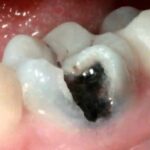
Partially erupted teeth are harder to clean, making them prone to cavities and sensitivity.
Understanding the cause helps you choose the right remedy, but in most cases, the home cures below bring quick relief.
Best Wisdom Toothache Cures and Home Remedies
1. Saltwater Gargle (Most Effective & Easiest Remedy)
A warm saltwater rinse is one of the first treatments recommended by dentists. It helps reduce inflammation, remove bacteria, and soothe irritated gums.
How to Use:
- Mix 1 teaspoon salt in a glass of warm water
- Rinse for 30 seconds
- Repeat 3–4 times a day
This simple remedy eases swelling and promotes healing around the painful tooth.
Also Read: Cavity in Teeth Stages: 5 stages of teeth decay and it’s prevention
2. Cold Compress for Swelling Relief
If your cheek is swollen or the pain feels sharp, a cold compress works wonders. The cold numbs the nerves and reduces inflammation.
How to Use:
- Wrap ice in a cloth
- Apply to the cheek for 15 minutes
- Repeat after short breaks
This method is especially helpful for impacted wisdom teeth.

3. Clove Oil for Natural Numbing
Clove oil contains eugenol, a natural anesthetic and antiseptic. It has been used for centuries as a dental pain reliever.
How to Use:
- Dip a cotton ball in clove oil
- Place it gently on the painful area
- Hold for 10–15 minutes
If pure clove oil feels too strong, mix it with a few drops of coconut oil.
Also Read: Top 9 Home Remedies for Wisdom Tooth Pain: Simple & Effective Relief
4. Over-the-Counter Pain Relievers
Medicines like ibuprofen, acetaminophen, or diclofenac potassium offer quick relief when pain becomes unbearable. Ibuprofen also helps reduce swelling.
Caution:
- Never exceed the recommended dosage
- Avoid NSAIDs if you have stomach ulcers or certain health conditions
- Consult a doctor if you need painkillers for more than 3 days
5. Garlic Paste for Anti-inflammatory Action
Garlic contains allicin, known for its antibacterial and anti-inflammatory benefits. It can provide temporary relief from wisdom tooth pain.
How to Use:
- Crush 1 garlic clove
- Mix with a pinch of salt
- Apply directly to the painful spot
It may taste strong, but it works effectively.
6. Peppermint Tea Bags
Peppermint has natural numbing properties and helps soothe irritated gums.
How to Use:
- Dip a tea bag in hot water
- Cool it in the fridge
- Place the cold tea bag on the painful gums for 15–20 minutes
You can also drink warm peppermint tea to relax your jaw muscles.
7. Hydrogen Peroxide Rinse (For Infection Relief)
A diluted hydrogen peroxide rinse can help kill bacteria and reduce infection risk.
How to Use:
- Mix equal parts 3% hydrogen peroxide and water
- Swish gently (don’t swallow)
- Rinse with plain water afterward
Warning:
Do not use repeatedly or if you have open wounds without dentist approval.
8. Warm Compress for Stiff Jaw Muscles
If the pain radiates to the jaw or ear, a warm compress can help relax tight muscles and improve blood flow.
Use warm rather than hot water to avoid burns.
Lifestyle Tips to Prevent Wisdom Tooth Pain
Even while treating the toothache, certain habits can prevent the pain from getting worse:
✓ Maintain good oral hygiene
Brush gently around the painful tooth to prevent bacteria buildup.
✓ Avoid sugary and hard foods
These can get trapped or irritate gums.
✓ Don’t chew on the painful side
It reduces pressure and discomfort.
✓ Stay hydrated
Water helps flush out food particles and bacteria.
When to See a Dentist
While home remedies help with temporary relief, persistent wisdom tooth pain requires professional treatment.
Visit your dentist if you notice:
- Constant or worsening swelling
- Difficulty opening the mouth
- Pain lasting longer than 3–5 days
- Pus discharge or foul taste in mouth
- Fever or spreading infection
- Severe gum bleeding
In many cases, the dentist may recommend wisdom tooth extraction, especially if the tooth is impacted or infected. Extraction provides permanent relief and prevents future complications.
Final Thoughts
Wisdom toothache can be extremely uncomfortable, but the right combination of home remedies—like saltwater rinses, cold compresses, clove oil, and over-the-counter medications—can bring quick relief. However, these are temporary solutions. If the pain keeps returning, it’s important to consult a dentist for proper evaluation and long-term treatment.
By understanding the cause and taking prompt action, you can manage wisdom tooth pain effectively and protect your oral health.
Also Read : Ways to relieve painful wisdom teeth