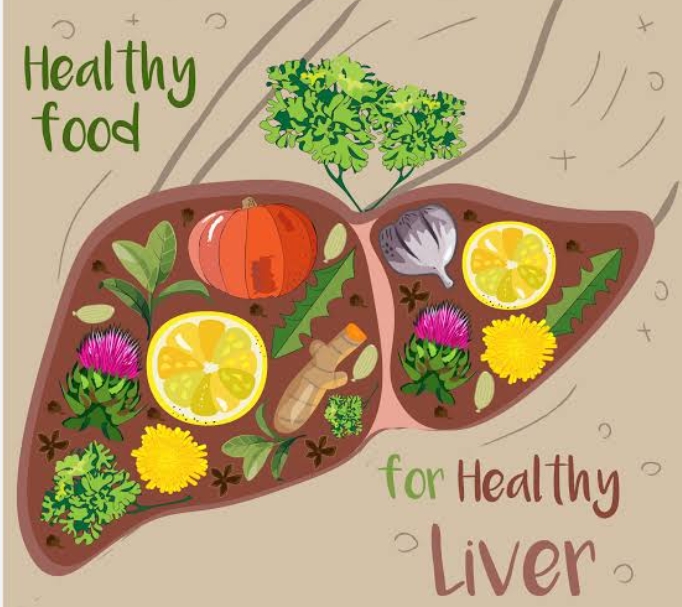
Liver Friendly Diet
The liver is one of the most hardworking organs in the body. From filtering toxins and metabolizing nutrients to regulating hormones and supporting digestion, it performs more than 500 essential functions. Yet, despite its importance, many people unknowingly stress their liver with unhealthy food choices, sedentary lifestyles, and poor eating habits.
A liver friendly diet plays a crucial role in keeping this vital organ functioning at its best, preventing fatty liver disease, and supporting long-term health.
In this blog, we’ll explore the best foods, nutrients, and habits that promote liver health—and the ones you should limit to protect your liver naturally.
Table of Contents
Why a Liver Friendly Diet Matters
The modern lifestyle has contributed to a rise in liver-related issues like non-alcoholic fatty liver disease (NAFLD), alcoholic fatty liver disease, liver inflammation, and metabolic syndrome. The good news? The liver is incredibly resilient and can heal itself when provided with the right nutrition.
A liver-friendly diet focuses on foods that:
- Reduce inflammation
- Support detoxification
- Help break down fats
- Protect liver cells from oxidative damage
- Maintain healthy metabolism
By making smart dietary choices, you can significantly improve liver function, energy levels, digestion, and overall health.
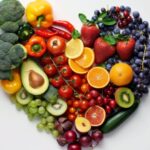
1. Load Up on Fresh Fruits and Vegetables
Fruits and vegetables are rich in antioxidants, vitamins, minerals, fiber, and phytonutrients that support detoxification processes.
Top Liver-Friendly Options:
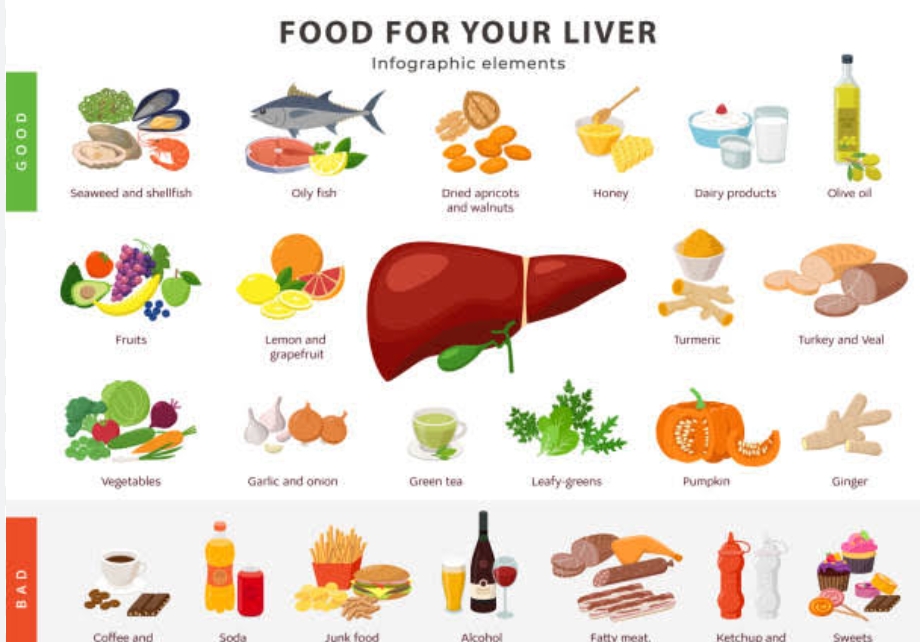
- Leafy greens (spinach, kale, methi) help neutralize heavy metals and boost bile flow.
- Beetroot and carrots are rich in betaine and carotenoids, essential for liver repair.
- Citrus fruits (oranges, lemons, grapefruits) provide vitamin C to fight oxidative stress.
- Cruciferous vegetables (broccoli, cabbage, cauliflower) assist in toxin removal.
Aim for at least 3–5 servings daily, covering a variety of colors.
Also read: Top 10 Dry Fruits and Their Amazing Health Benefits
2. Choose Healthy Fats Over Bad Fats
While the liver needs some fat to function, the type of fat matters.
Healthy fats that support liver function include:
- Monounsaturated fats (olive oil, groundnut oil, avocados)
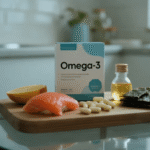
- Omega-3 fatty acids (flaxseeds, chia seeds, walnuts, fatty fish)
These help reduce inflammation and prevent fat accumulation in the liver.
Avoid harmful fats like:
- Trans fats
- Deep-fried foods
- Excessive butter, ghee, or processed snacks
Cutting back on unhealthy fats reduces the risk of fatty liver disease.
Also read: Top 5 Orange Juice Benefits: A Daily Dose of Nutrition and Wellness
3. Eat Lean Protein for Liver Repair
Protein is essential for tissue repair and enzyme production. However, heavy or processed proteins can burden the liver.
Liver-friendly protein sources:
- Lentils, dal, chickpeas
- Tofu, paneer (in moderation)
- Eggs
- Skinless chicken or fish
- Greek yogurt or low-fat curd
For vegetarians, combining plant-based proteins with whole grains boosts amino acid quality.
4. Opt for Whole Grains Over Refined Carbs
Refined carbohydrates spike blood sugar and worsen fat buildup in the liver.
Switch to whole grains that provide fiber, which helps regulate cholesterol and digestion.
Good choices:
- Brown rice
- Oats
- Quinoa
- Millet (ragi, jowar, bajra)
- Whole wheat chapati
These grains help maintain steady energy while reducing liver stress.
5. Include Liver-Cleansing Herbs and Spices
Certain spices and herbs have natural cleansing and anti-inflammatory properties.
Top choices include:
- Turmeric: Contains curcumin, a powerful anti-inflammatory compound
- Garlic: Boosts detox enzymes and reduces fat accumulation
- Ginger: Supports digestion and reduces inflammation
- Cinnamon: Stabilizes blood sugar levels
- Amla: Rich in vitamin C, supports repair and antioxidant balance
Adding these to daily meals enhances liver detoxification naturally.
6. Stay Hydrated for Better Detoxification
Water is essential for flushing toxins out of the body. Proper hydration supports kidney and liver function, improves metabolism, and helps maintain digestion.
Aim to drink 2–3 liters of water daily. You can also include:
- Lemon water
- Herbal teas
- Infused water with mint or cucumber
Avoid sugary drinks and sodas that contribute to fat buildup.
7. Limit Sugar and Processed Foods
Excess sugar converts into fat in the liver, leading to fatty liver disease. Processed foods also contain harmful additives, preservatives, and unhealthy fats.
Reduce:
- Sweets, cakes, pastries
- Sugary beverages
- Packaged snacks
- White bread, pasta
Choose natural sweeteners like jaggery or honey occasionally.
8. Reduce Salt Intake
High salt consumption can cause water retention and increase liver strain. Keep daily intake below 1 teaspoon (5 grams).
Use herbs and spices for flavor instead of excessive salt.
9. Avoid Alcohol or Consume in Moderation
Alcohol is one of the leading causes of liver damage. If your liver is already compromised, it’s best to avoid alcohol entirely.
Those who drink should do so responsibly and allow the liver time to recover.
10. Maintain a Balanced, Consistent Eating Pattern
Large, heavy meals burden the liver. Instead:
- Eat smaller portions throughout the day
- Avoid late-night eating
- Choose home-cooked meals over restaurant food
A consistent routine helps the liver function efficiently.
Sample One-Day Liver-Friendly Meal Plan
Breakfast:
Oats porridge with chia seeds + fresh fruits
Mid-Morning:
Amla juice or coconut water
Lunch:
Brown rice or millet roti + dal + sautéed vegetables + salad
Evening Snack:
Green tea + handful of nuts
Dinner:
Grilled fish or tofu stir-fry + steamed broccoli
Before Bed:
Warm turmeric milk (optional)
Final Thoughts
A liver-friendly diet is not about drastic restrictions—it’s about eating wholesome, natural foods that nourish and protect your liver. By including antioxidant-rich vegetables, whole grains, healthy fats, hydration, and lean proteins, you give your liver the support it needs to detoxify, heal, and function optimally.
Small, consistent changes can significantly improve liver health, energy levels, digestion, and overall well-being. Start today with simple swaps, and your liver will thank you for years to come!
Also read: Fatty Liver Diet: Foods to Eat and Foods to Avoid