In a world flooded with chemical-loaded hair care products, herbal hair oils have made a strong comeback. People are increasingly turning to natural remedies that have been trusted for centuries. Herbal oils, enriched with the purity of plant extracts, carry healing, nourishing, and restorative powers that modern formulations often fail to match.
Whether you are struggling with hair fall, dandruff, dryness, or slow hair growth, switching to herbal hair oil can be a game-changer for your hair health.
Table of Contents
What Is Herbal Hair Oil?
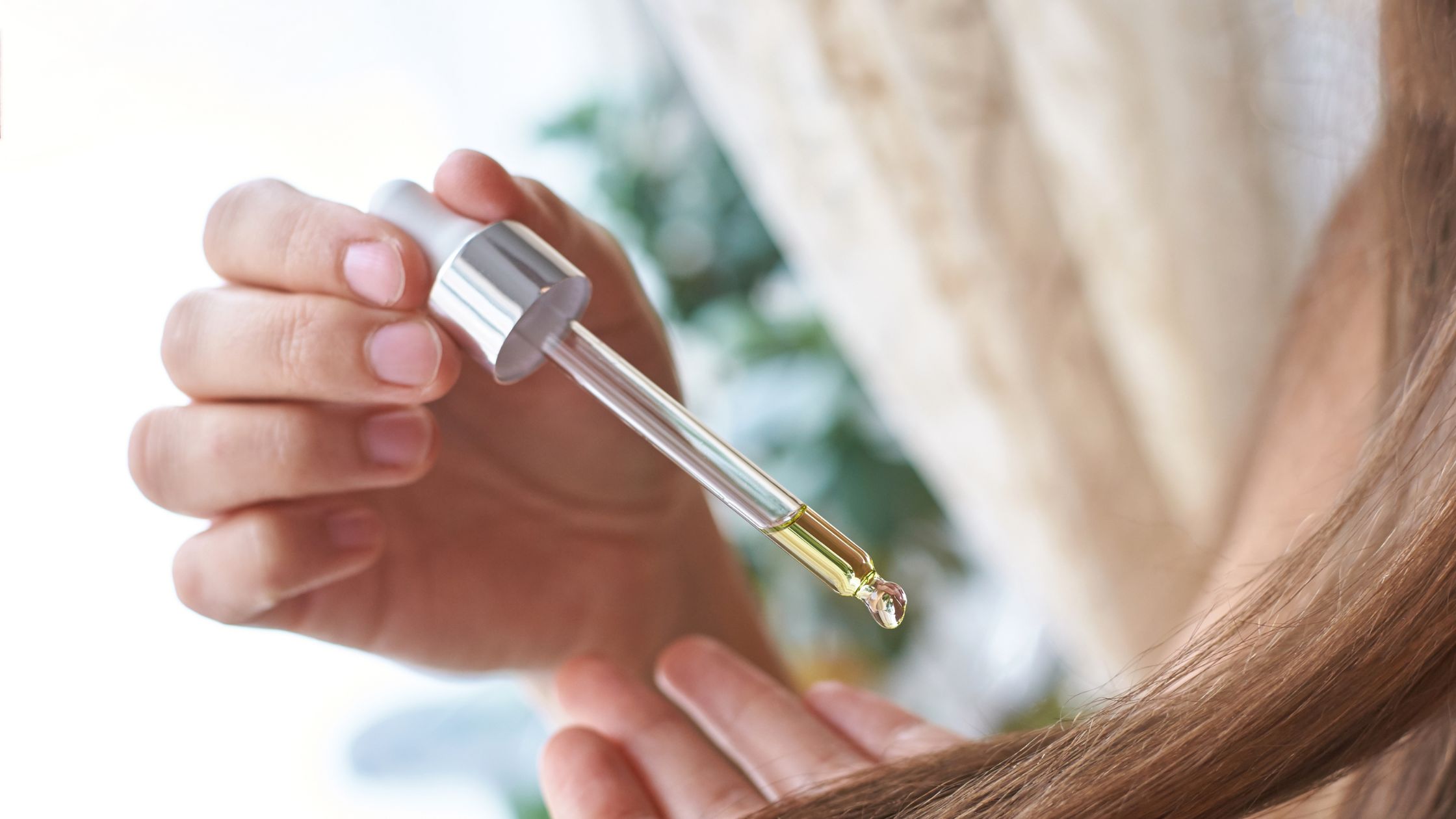
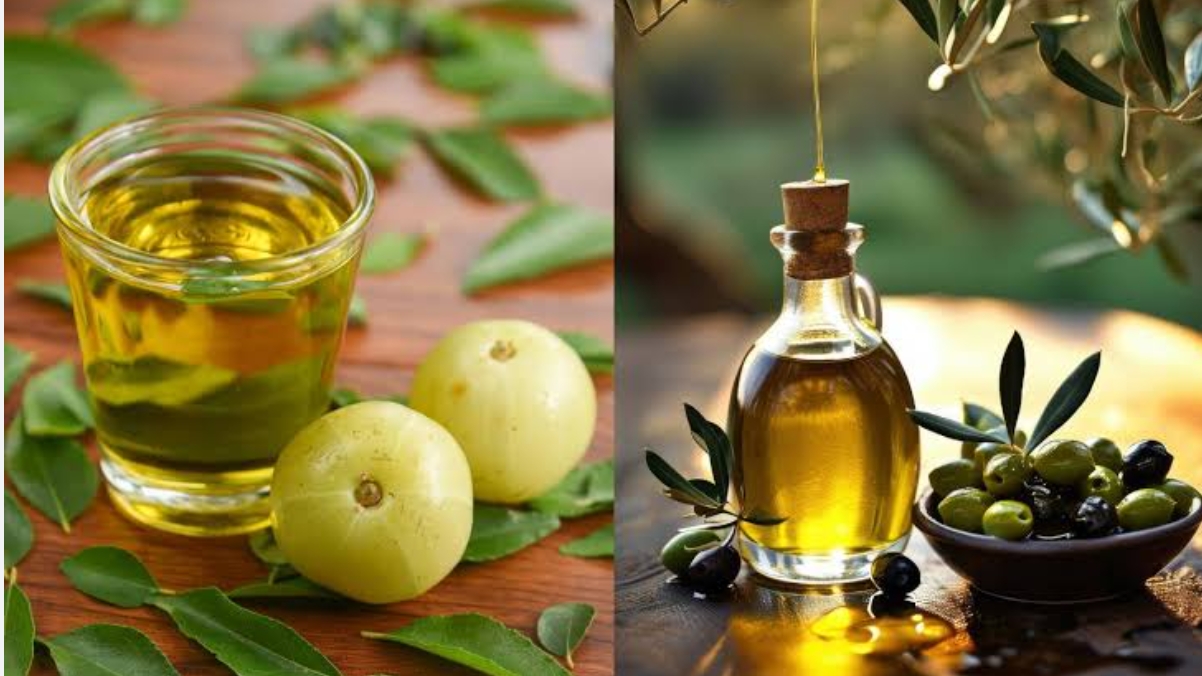
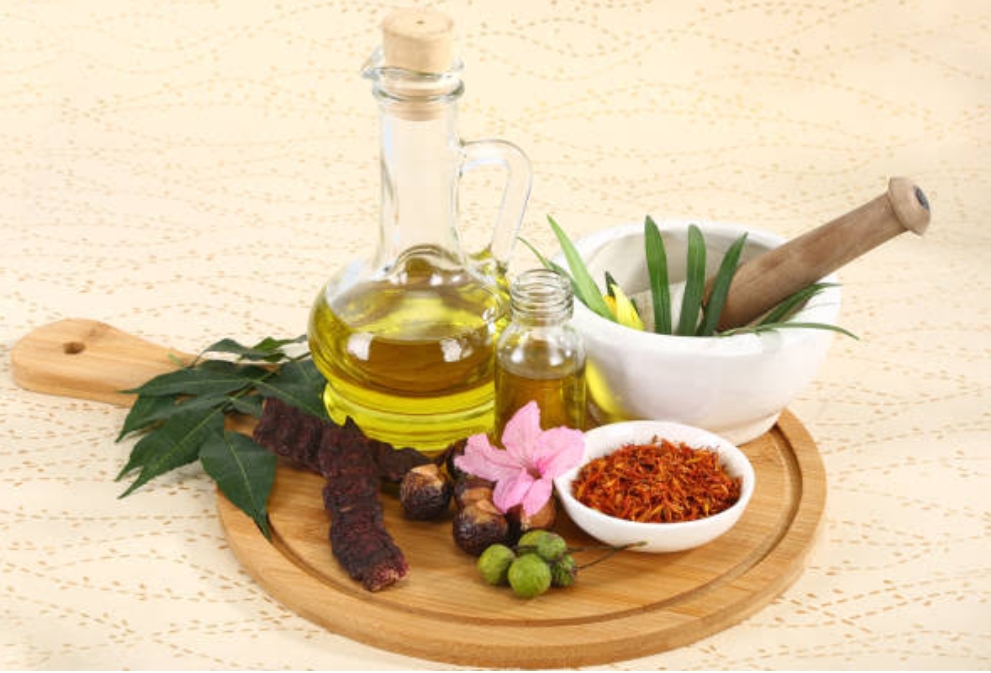
Herbal hair oil is a blend of natural oils infused with herbs, plant extracts, and essential oils known for their therapeutic properties. Ingredients like amla, bhringraj, neem, hibiscus, brahmi, fenugreek, curry leaves, and aloe vera work together to strengthen the scalp, nourish the roots, and promote healthy hair growth. Unlike chemical products, herbal oils do not strip away natural moisture. Instead, they balance the scalp, repair damage, and restore vitality.
1. Strengthens Hair from the Roots
One of the biggest advantages of herbal hair oil is its ability to nourish the hair follicles deeply. Ingredients like bhringraj, amla, and fenugreek are rich in nutrients, vitamins, and antioxidants. These herbs stimulate blood circulation in the scalp, ensuring the roots receive enough oxygen and nutrients for healthy growth.
Regular massage with herbal oil not only strengthens hair from the roots but also helps reduce breakage and split ends. Strong roots lead to thicker hair volume and reduced hair fall over time.
2. Promotes Faster Hair Growth
Many herbal oils are formulated with herbs like bhringraj, often called the “king of hair,” known for boosting hair growth. These herbs activate dormant hair follicles and encourage growth by improving blood flow to the scalp. When paired with oils like coconut, sesame, or castor oil, the effect is even stronger.
People dealing with thinning hair or bald patches often notice visible improvement in growth when using herbal hair oils consistently. The natural ingredients also ensure the hair grows stronger, shinier, and healthier.
Also read: Top 10 benefits of lemon water: A Refreshing Habit for Better Health
3. Reduces Dandruff and Itchy Scalp
Dandruff, flaky scalp, and itchiness are often caused by fungal infections, dryness, or excessive oil production. Herbal oils containing neem, tea tree, oregano, or aloevera are excellent for treating these issues naturally.
Neem’s antibacterial and antifungal properties help eliminate dandruff-causing microbes, while aloe vera soothes irritation and reduces redness. Regular application restores scalp balance, providing relief from itching and reducing dandruff flakes dramatically.
4. Prevents Premature Greying
Premature greying is becoming increasingly common due to stress, poor diet, and pollution. Herbal oils with amla, bhringraj, and hibiscus help preserve the natural pigment of the hair. These herbs are rich in antioxidants and vitamin C, which slow down the greying process by reducing free radical damage.
While herbal oils cannot reverse greying completely, they can significantly delay its progression and help maintain natural hair color for a longer time.
5. Deeply Moisturizes Dry and Damaged Hair
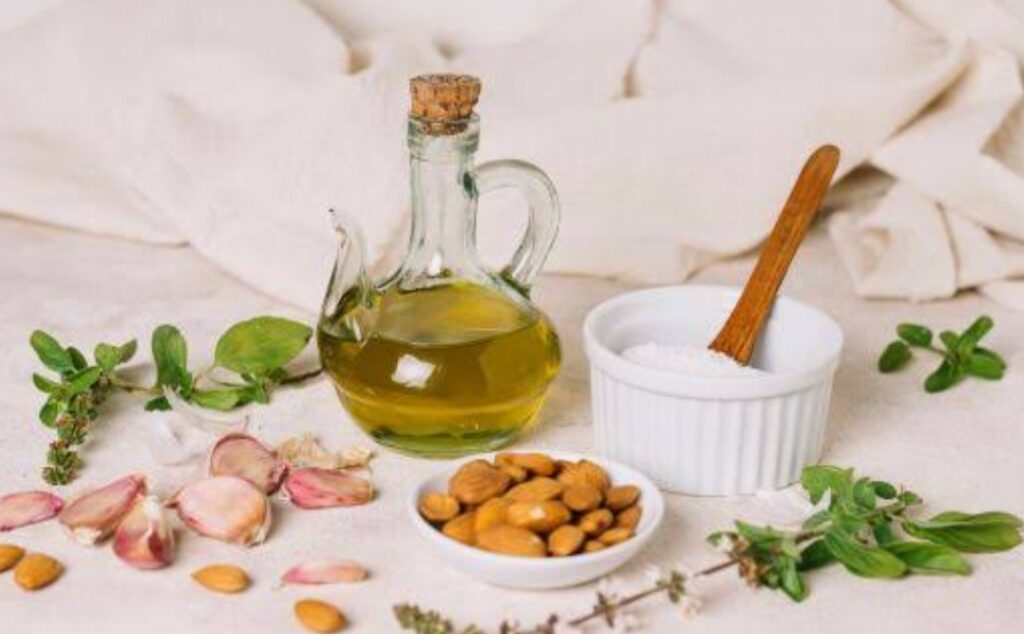
Dryness makes the hair rough, frizzy, and more prone to breakage. Herbal hair oils provide deep nourishment and hydration to dry strands. Oils like coconut, olive, almond, and sesame penetrate the hair shaft, locking in moisture and restoring softness.
Herbs like hibiscus and aloe vera add an extra layer of shine and smoothness, making the hair look silky and glossy. With regular use, herbal hair oil helps repair heat damage, chemical damage, and environmental stress.
Also read: Top 8 Vitamin d Foods for Vegetarians
6. Controls Hair Fall Naturally
Hair fall can be caused by many factors—stress, pollution, hormonal changes, or nutrient deficiencies. Herbal oils offer a natural solution by strengthening the roots and reducing breakage. Ingredients like bhringraj, brahmi, and ashwagandha calm the nerves, reduce stress-related hair fall, and improve overall scalp health.
Unlike chemical treatments, herbal oils nourish the hair without causing side effects, making them ideal for long-term use.
7. Improves Scalp Health
A healthy scalp is essential for healthy hair. Herbal oils help maintain a clean, balanced, and nourished scalp environment. Anti-inflammatory herbs like neem and turmeric reduce redness and irritation. Moisturizing herbs like aloe vera prevent dryness. Strengthening herbs like amla and brahmi ensure the follicles stay active and healthy.
A well-nourished scalp leads to stronger, shinier, and smoother hair growth.
8. Enhances Natural Shine and Texture
Herbal oils enrich the hair with essential nutrients, giving it a natural shine and improved texture. Oils like almond and coconut smoothen the cuticles, reduce frizz, and make the hair silky. Hibiscus adds a natural glow, while castor oil adds volume and thickness.
With regular use, your hair becomes softer, more manageable, and naturally glossy—without the need for chemical serums.
How to Use Herbal Hair Oil for Best Results
- Warm the oil slightly before applying.
- Massage gently from the roots to the tips.
- Leave it on for at least 1–2 hours or overnight.
- Use 2–3 times a week for best results.
- Wash with a mild, sulfate-free shampoo.
Conclusion
Herbal hair oil is a timeless beauty secret backed by the power of nature. Whether you want stronger hair, less hair fall, improved shine, or a healthier scalp, herbal oil can provide all these benefits without harmful chemicals. With consistent use, it restores balance, nourishes deeply, and promotes thick, beautiful, and healthy hair.
Also read: Ayurvedic Herbal Hair Oils Online Prices in India