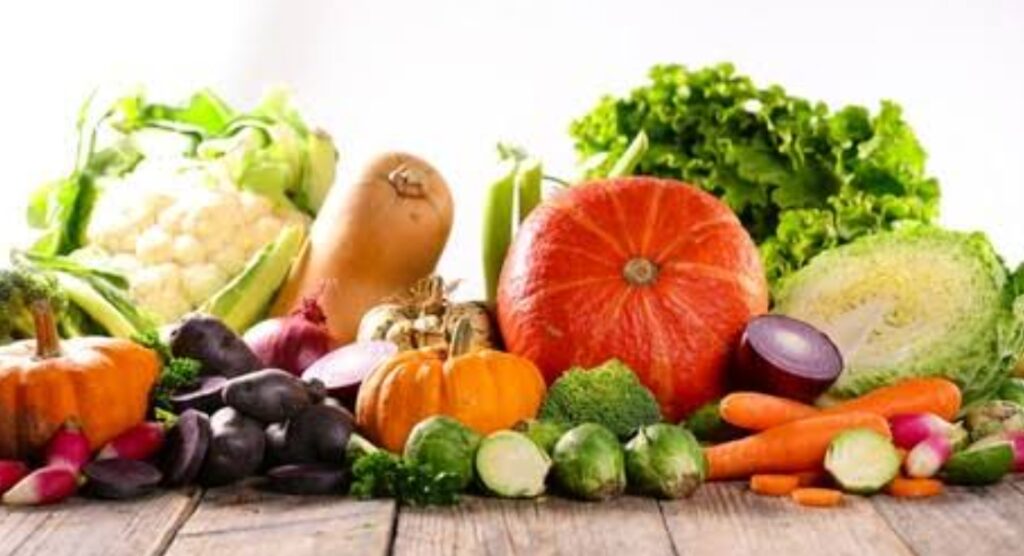
Winter is a season when our bodies naturally crave warm, comforting, and nutrient-rich foods. As temperatures drop, our immunity often becomes weaker, making it extremely important to choose foods that nourish, energize, and protect us. One of the best ways to stay strong and healthy during the cold season is to include seasonal winter vegetables in your daily diet.
In this blog, let’s explore some of the best winter vegetables you should add to your plate this season and understand why they are so beneficial for your body.
Table of Contents
1. Best winter vegetables: Carrots
Carrots are one of the most popular winter vegetables and for a good reason. They are rich in beta-carotene, which converts into Vitamin A in the body, helping improve eyesight, skin health, and immunity. Carrots are also high in antioxidants that protect cells from damage.
You can enjoy carrots in many forms—salads, soups, stir-fries, or even as a nutritious snack. Dishes like gajar ka halwa become extra special during winter because the carrots available in this season are sweeter and
spinach
Spinach thrives in winter and offers numerous health benefits. This green leafy vegetable is loaded with iron, calcium, folate, and Vitamin C. It helps improve blood circulation, strengthens bones, and enhances immunity.
Spinach also supports digestion because of its high fiber content. Whether you add it to soups, dals, parathas, or smoothies, spinach is a must-have vegetable for a healthy winter diet.
Cauliflower is another winter favorite that is full of fiber and Vitamin C. It helps boost immunity, improve digestion, and keep you fuller for longer. Cauliflower can be cooked in several tasty ways—gobi sabzi, gobi paratha, gobi manchurian, or roasted cauliflower snacks.
Because winter cauliflower is firm and fresh, it offers better taste and nutrition compared to other seasons.
4. Green Peas: Sweet, Fresh, and Nutritious
Fresh green peas available during winter are packed with protein, fiber, and antioxidants. They help support muscle repair, manage blood sugar, and aid digestion. Peas are perfect for adding sweetness and texture to dishes like matar paneer, aloo matar, matar pulao, or even simple vegetable stir-fries.
Winter is the best time to enjoy peas because they are naturally sweeter and more tender during this season.
Beetroot is known for its deep red color and impressive nutrient profile. It is rich in iron, nitrates, folate, and antioxidants, making it excellent for improving blood flow and increasing stamina.
Beetroot also supports liver detoxification, improves skin, and helps maintain healthy blood pressure. You can include it in salads, soups, juices, or roasted veggie bowls.
6. Radish: Great for Digestion and Immunity
Radish (mooli) is a classic winter vegetable in many Indian households. It contains Vitamin C, fiber, and digestive enzymes that help improve gut health. Radish is also known for reducing inflammation and supporting respiratory health, making it ideal for winter cough and cold prevention.
Mooli paratha, radish salad, and radish sabzi are delicious ways to enjoy this nutritious vegetable.
7. Broccoli: The Winter Super Veggie
Broccoli is considered one of the healthiest vegetables, especially during winter. It is filled with Vitamin C, Vitamin K, antioxidants, and fiber. Broccoli improves immunity, strengthens bones, supports heart health, and helps in weight management.
It tastes great when steamed, roasted, or added to soups, pasta, and stir-fries.
8. Sweet Potatoes: A Warm and Healthy Winter Treat
Sweet potatoes are a comforting winter vegetable packed with Vitamin A, fiber, potassium, and antioxidants. They provide long-lasting energy, improve digestion, and support eye health.
Roasted or boiled sweet potatoes make a delicious snack. You can also prepare sweet potato chaat, fries, or curries to enjoy their natural sweetness and nutrition.
9. Cabbage: Light, Crunchy, and Full of Fiber
Cabbage grows beautifully in winter and is loaded with Vitamin K, Vitamin C, and fiber. It is excellent for boosting immunity, improving digestion, and maintaining heart health. Cabbage is low in calories, making it a perfect choice for weight watchers.
You can add it to salads, soups, stir-fries, and parathas, or even make tasty cabbage pakoras on chilly evenings.
10. Turnip: A Warming Vegetable for Cold Days
Turnip (shalgam) is a mildly sweet winter vegetable rich in Vitamin C, calcium, and fiber. It helps support bone health, digestion, and immunity. Turnip also provides warmth to the body, making it ideal for cold winter nights.
Turnip curry, roasted turnip, and turnip soup are some delicious options to include in your diet.
Final Thoughts
Winter brings with it a rich variety of fresh, flavorful, and highly nutritious vegetables. By including these seasonal veggies—carrots, spinach, peas, broccoli, beetroots, and more—you can keep your body warm, strengthen your immunity, and enjoy delicious meals throughout the season.
Always remember, seasonal eating is the key to better health, and winter vegetables offer the perfect blend of taste and nutrition. So make the most of this season by filling your plate with these healthy and wholesome foods.
As winter arrives, so do chilly winds, dropping temperatures, and a greater risk of getting sick. While winter has its charm—cosy blankets, hot beverages, and…
When it comes to weight loss, the idea of a “magic pill” is incredibly appealing—and yet, unfortunately, reality is far more complex. If you’re looking…